
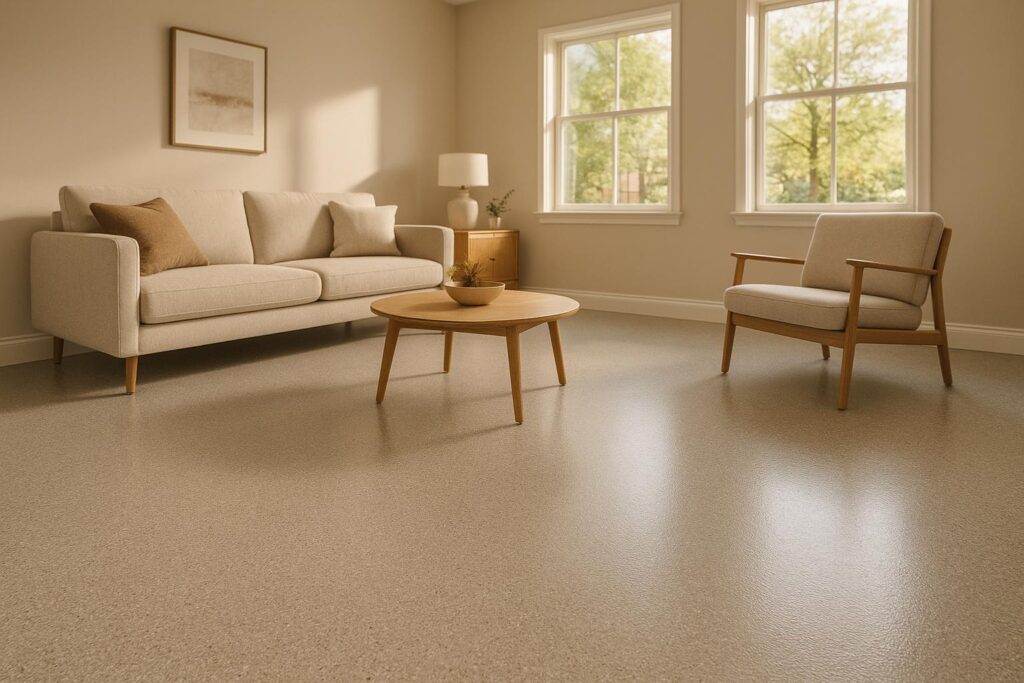
Transform your concrete floors in just one day with polyurea coatings. These floors are stronger, more durable, and faster to install than epoxy, making them ideal for garages, basements, and other high-traffic areas. Here’s why homeowners are choosing polyurea:
- Fast Installation: Completed in 4–8 hours, with full use within 24 hours.
- Durable and Long-Lasting: Up to 5x stronger than epoxy, resistant to cracks, UV rays, and chemicals, with a lifespan of 15+ years.
- Customizable: Choose decorative chips, colors, and finishes.
- Low Maintenance: Easy to clean and maintain, saving time and effort.
While polyurea coatings cost more upfront ($5–$12 per square foot), the long-term durability and reduced labor time make them a cost-effective option. Professional preparation and installation are key to achieving the best results.
If you want a quick, durable flooring solution with minimal disruption, polyurea might be the perfect choice for your home.
Polyurea (epoxy) Garage Flooring : My 1 day process
Preparation Requirements for 1-Day Polyurea Installation
Getting ready for a one-day polyurea installation takes careful planning and attention to detail. The quality of the concrete surface, environmental conditions, and a professional evaluation are all key factors in ensuring a long-lasting, durable finish. Start by confirming that your site meets the necessary structural and environmental standards.
Site Conditions for Best Results
The foundation of a successful polyurea application begins with clean, dry, and structurally sound concrete. The surface must be free from dust, oil, grease, and debris – any level of contamination can weaken the bond and compromise the coating.
To create the right environment, maintain indoor temperatures between 50°F and 90°F and keep humidity levels below 80%. These conditions help the polyurea cure properly without the risk of moisture interference.
Ventilation is another critical factor. Proper airflow not only speeds up drying but also ensures safe application. If your space doesn’t have adequate ventilation, additional fans or ventilation equipment may be necessary.
Regional climates can also affect preparation. For example, humid areas, such as the Southeast, may require extra steps to manage moisture, while colder regions might need temporary heating to maintain the ideal temperature during installation.
Surface Preparation Steps
Surface preparation is where the groundwork for success truly begins. Cutting corners here can lead to poor adhesion and long-term issues. Start by thoroughly cleaning the surface using degreasers, scrub brushes, and pressure washers to eliminate any contaminants.
Once the area is clean, the next step involves mechanical grinding or shot-blasting to create the proper surface texture for adhesion. This method is more reliable than acid etching, as it removes contaminants more effectively and ensures a consistent finish. Professional crews often use commercial-grade concrete grinders with HEPA vacuum systems, along with hand-held grinders for edges and hard-to-reach spots.
Before applying the coating, all cracks, holes, and uneven areas must be repaired. Polyurea-based fillers are ideal for these fixes because they work seamlessly with the coating system and provide lasting durability. For larger cracks, installers may use a mix of polyurea and sand or specialized concrete fillers, ensuring repairs are fully cured before moving forward.
To confirm the surface is ready, perform a porosity test by spraying water on the concrete. If the water absorbs within a minute, the surface is good to go. If not, additional grinding may be needed.
Skipping proper surface preparation can lead to serious problems like poor adhesion, bubbling, peeling, or premature failure of the coating. Contaminants or trapped moisture can also cause discoloration and delamination, which often require expensive repairs or even a complete redo.
Professional Assessment Requirements
A professional assessment is essential for ensuring the installation goes smoothly and the results last. Trained technicians use specialized tools to inspect the structural integrity of the concrete, measure moisture levels, and evaluate the overall condition of the surface.
During an assessment, professionals check that the concrete is dry and porous, examine for cracks or damage, confirm the surface is free of contaminants, measure temperature and humidity, ensure proper ventilation, and verify that all repairs are fully cured.
Atlas Concrete Coatings, for example, employs skilled technicians who follow strict protocols. Their expertise in mechanical grinding, moisture testing, and detailed repairs ensures that the site is perfectly prepared for a quick and durable installation, minimizing disruption for homeowners.
When dealing with unique surfaces – such as existing garage floor tiles or unconventional concrete conditions – a professional evaluation becomes even more critical. These situations require the experience and knowledge of trained experts to ensure proper preparation.
While professional preparation might seem like an added expense, it’s a worthwhile investment. Proper groundwork helps avoid costly issues like peeling or bubbling down the road. When everything is done right, the one-day installation process is smooth and efficient, delivering a finish that lasts.
Step-by-Step Guide to 1-Day Polyurea Floor Installation
Once your concrete surface is prepped and inspected, the installation process is surprisingly quick. For a standard residential garage of 400–600 square feet, the entire job can be wrapped up in 4–8 hours, leaving you with a floor you can walk on by the evening.
Step 1: Surface Preparation
Start by conducting a final moisture test and removing any lingering debris. Industrial vacuums are used to clear away dust, leaving the surface spotless. The floor is then inspected to ensure it meets the CSP-2 or CSP-3 profile, which is critical for the polyurea coating to bond effectively. This textured surface helps the coating lock into the concrete.
Check the environment to confirm conditions are suitable for installation. If needed, ventilation systems or temporary climate controls can be set up to create the right conditions.
Next, mask off walls, fixtures, and any areas not being coated using plastic sheeting. This step, which takes about 30–60 minutes, ensures a clean workspace. Once the surface is dry and ready, you’re set to apply the base coat.
Step 2: Applying the Base Coat
The base coat application starts with mixing a two-component polyurea system. Precision is key here – installers use specialized tools to ensure the correct ratios, as improper mixing can weaken the coating.
Using rollers or squeegees, the base coat is spread evenly across the floor. Special care is taken to cover edges, corners, and any tricky spots where the coating might pool.
"The difference in durability and surface longevity often comes down to the skill of application. Since our material dries quickly, finding a partner that understands various surface conditions and application criteria ensures proper application the first time."
– Atlas Concrete Coatings
This base coat creates a seamless, flexible, and impact-resistant layer that bonds directly to the concrete. This step typically takes 1–2 hours.
Step 3: Adding Decorative Chips (Optional)
If you want to add a personal touch, decorative chips can be applied while the base coat is still wet. These chips come in various colors and patterns, allowing homeowners to customize the look of their floors.
Installers scatter the chips evenly over the wet base coat, creating a speckled, textured finish. Popular options include granite-inspired blends, earthy tones, and bold color contrasts.
Timing and technique are crucial here. Too few chips can leave the surface looking sparse, while too many can make sealing tricky. This step adds an additional 15–30 minutes to the process.
Step 4: Scraping and Cleaning Excess Chips
Once the base coat has cured enough to hold the chips – usually 1–2 hours, depending on temperature and humidity – the excess chips are removed. Timing is everything here; waiting too long can make removal difficult, while starting too early risks disturbing the embedded chips.
Crews use squeegees to scrape off loose chips and then vacuum thoroughly to eliminate any leftover debris. This ensures nothing interferes with the adhesion of the topcoat.
A final inspection is done to check for even chip distribution. Any sparse areas or loose chips are addressed before moving on to the topcoat.
Step 5: Applying the Topcoat
The last step is applying a clear polyurea or polyaspartic topcoat. This layer not only protects the floor from UV rays, abrasions, and chemicals but also brings out the depth and shine of the decorative chips underneath.
Using rollers or squeegees, the topcoat is applied evenly to create a glossy, polished finish. Polyaspartic topcoats are especially popular because they cure quickly, allowing the floor to be walked on within 8 hours and driven on within 24 hours. This fast turnaround minimizes disruption while delivering a professional-grade result.
With proper care, floors installed using this method can last 15+ years, providing long-term durability and style.
sbb-itb-4b4bb37
Benefits and Drawbacks of 1-Day Polyurea Floors
When deciding whether a 1-day polyurea floor is the right fit for your needs, it’s essential to weigh the perks against the challenges. While the fast installation and durability of polyurea systems are appealing, there are some considerations to keep in mind.
Advantages of 1-Day Polyurea Systems
One standout benefit of polyurea systems is the drastically reduced downtime. Unlike traditional epoxy coatings, which may take 2–3 days to install and cure, polyurea floors can be installed professionally in just one day or less. This quick turnaround means you can get back to using your garage or other spaces almost immediately.
Durability is another key advantage. Polyurea is stronger and more flexible than epoxy, offering a lifespan of over 10 years without issues like chipping, peeling, or discoloration. It can handle heavy loads and resist cracking, making it ideal for high-traffic or weight-bearing areas.
"Atlas did a great job on our garage floors. The previous owner installed epoxy and it failed. Anthony took the time to explain the process and how it was superior to the product previously used. He answered every question we had. The floors were done same day and we are very happy with the results. Even when we noticed an area where water had infiltrated during the cure period, Atlas came back and corrected the situation. We highly suggest their services." – Ben Bender, Google Review
Polyurea also offers excellent resistance to chemicals and UV rays, meaning it won’t fade or degrade under harsh sunlight or exposure to caustic substances. This makes it a great choice for garages, workshops, or outdoor spaces.
Customization is another plus. Decorative chips, available in a variety of colors, allow homeowners to create a look that suits their style while also adding slip resistance. Whether you want a sleek, modern finish or something that complements your existing décor, polyurea can deliver.
Finally, these floors are easy to maintain. The seamless, non-porous surface resists stains and can be cleaned with minimal effort, making it a practical choice for busy households. This combination of benefits ensures long-term value, which we’ll explore further in the maintenance section.
Potential Limitations to Consider
Despite its many advantages, there are a few drawbacks to 1-day polyurea systems that are worth noting. The most significant downside is the higher upfront cost. The specialized materials, advanced equipment, and professional expertise required for installation contribute to a premium price tag. However, the long-term durability often offsets this initial expense.
It’s also not a DIY-friendly option. Polyurea floors require precise mixing, application techniques, and environmental controls to perform as intended. Attempting to install them without professional knowledge can lead to poor results.
Environmental factors play a crucial role in the installation process. Proper curing and adhesion depend on controlled temperature and humidity levels. If conditions aren’t ideal, the project may need to be delayed, which can disrupt your schedule.
Another challenge is the surface preparation. Achieving the right texture profile, typically through acid etching or mechanical grinding, is critical for adhesion and requires specialized equipment and skills. Inadequate preparation can result in coating failures that compromise the floor’s performance.
Pros and Cons Comparison Table
| Advantages | Limitations |
|---|---|
| Quick installation in just 1 day | Higher initial costs compared to epoxy |
| Exceptional durability, lasting 10+ years | Requires professional installation expertise |
| UV resistance prevents fading over time | Needs precise temperature and humidity control |
| Customizable with decorative chips for a tailored look | Demands expert surface preparation |
| Seamless, low-maintenance surface that’s easy to clean | Limited installation window due to curing requirements |
| Enhanced slip resistance with textured finishes | Weather conditions may cause scheduling delays |
Choosing a 1-day polyurea floor system means balancing the convenience of rapid installation and long-lasting benefits against the higher upfront investment and the need for professional expertise.
Maintaining and Extending the Life of Polyurea Floors
A well-maintained polyurea floor can last for well over a decade, delivering dependable performance with minimal effort. Once installed, following a few straightforward steps ensures your floor remains in excellent condition for years to come.
Simple Maintenance Routine
Keeping your polyurea floor clean is surprisingly easy. Start with daily sweeping using a soft-bristle broom or dust mop to clear dirt and debris. For deeper cleaning, mop with warm water and a mild, nonabrasive cleaner. This routine prevents grime buildup and keeps the surface looking fresh.
Be cautious about the cleaning products you use. Avoid anything abrasive – no steel wool, scouring pads, or harsh chemicals like bleach or ammonia. Instead, stick to soft mops, microfiber cloths, and cleaners specifically designed for coated floors. And while polyurea floors are resistant to stains, it’s still smart to clean up spills as soon as they happen to avoid any potential discoloration.
Seasonal changes can also impact your floor. In areas with cold winters, place mats near entryways to catch de-icing salts and moisture, which could otherwise damage the coating over time. For garages or basements, ensure the floor stays dry and free of standing water to prevent wear and tear.
By following these simple care steps, you not only keep your floor looking great but also help preserve its durability over time.
Durability and Longevity
Polyurea floors are built to last, offering excellent resistance to stains, impacts, chemicals, and even UV fading. Unlike traditional epoxy or acrylic coatings, polyurea’s flexible nature allows it to handle heavy loads without cracking or peeling. Its UV resistance also helps maintain the original color and finish, even in areas exposed to sunlight.
Manufacturers often back these features with impressive warranties, ranging from 10 years to a lifetime. For example, Atlas Concrete Coatings offers comprehensive warranty coverage, giving homeowners confidence in their investment. When properly maintained, polyurea floors can last 15 years or longer in residential spaces. Many warranties even cover issues like peeling, chipping, or delamination for up to 15 years.
Regular Inspections and Repairs
To keep your floor in top condition, inspect it every 3–6 months for signs of scratches, chips, or peeling. Addressing minor issues quickly can prevent them from escalating. For small damages, clean the area thoroughly and use a polyurea repair kit recommended by the manufacturer. These simple fixes can stop water or debris from seeping beneath the coating.
For larger or more complex damage, it’s best to consult a professional. Expert repairs ensure the floor’s protective qualities remain intact. Companies like Atlas Concrete Coatings provide maintenance advice, professional inspections, and repair services to keep your floor in peak condition.
Partnering with your installer for ongoing support can make a big difference. From guidance on cleaning products to warranty-backed repairs, professional help ensures your floor continues to perform as expected. This collaboration protects your investment and extends the life of your flooring system.
With a combination of daily care, an understanding of your floor’s durability, and routine inspections, you can maximize the performance and lifespan of your polyurea floor. With proper maintenance, it will not only look great but also stand up to the demands of everyday use for many years.
Conclusion
One-day polyurea installation offers a quick and durable flooring solution with minimal impact on your daily routine. Unlike traditional epoxy, polyurea cures much faster – allowing professional installation to be completed in just 4–6 hours. This efficiency aligns with the detailed process and benefits outlined earlier.
Polyurea coatings stand out for their durability, offering exceptional longevity in residential spaces. With proper care, these floors can last anywhere from 15 to 20 years. Thanks to its flexibility, polyurea handles temperature shifts and heavy loads without cracking or peeling, making it an excellent choice for areas with extreme weather conditions.
Another standout feature is the ability to customize finishes. Homeowners can select from a wide range of color blends and decorative chip systems to match their personal style and home design. Plus, the UV-resistant properties ensure that the vibrant colors and finishes stay intact over time, avoiding the fading and discoloration common with lower-quality coatings.
While the cost per square foot typically ranges from $5 to $12, the long-term savings make polyurea a cost-effective option. With minimal upkeep – just regular sweeping and occasional mopping – homeowners can enjoy a floor that stays in excellent condition without frequent repairs or resurfacing.
For the best results, it’s essential to work with experienced professionals like Atlas Concrete Coatings. Their expertise in applying durable, customizable polyurea-based chip floor coatings ensures a flawless finish. Using commercial-grade equipment and proven techniques, they deliver high-quality service with quick turnaround times and comprehensive warranty coverage.
"An investment in the right protective coating for your garage floor or commercial workspace equals long-term savings and reliable surface performance." – Atlas Concrete Coatings
With its fast installation, durability, and stylish customization options, one-day polyurea floor installation is a top-tier choice for homeowners seeking a flooring solution that combines immediate results with decades of reliable performance.
FAQs
What conditions are needed for a successful polyurea floor installation?
For polyurea floor installation to work as intended, the environment needs to meet a few key conditions. First, the surface must be clean, dry, and free from debris, grease, or moisture – any contaminants can interfere with adhesion. Temperature also plays a big role. Moderate conditions are best since extreme heat or cold can disrupt the curing process. Finally, good ventilation is crucial. It not only helps the coating set properly but also ensures a safer working environment. Sticking to these steps is essential for achieving a durable and polished finish.
How does polyurea flooring hold up over time compared to traditional epoxy floors?
Polyurea flooring stands out as a stronger, more resilient option compared to traditional epoxy floors. Built to endure heavy use, it typically lasts a minimum of 10 years and often outperforms epoxy coatings in longevity.
One of its key advantages is its UV resistance. Unlike epoxy, polyurea doesn’t yellow or break down when exposed to sunlight. It holds up its finish remarkably well and resists cracking, peeling, or chipping, making it a dependable, low-maintenance solution for residential areas.
What risks are involved in DIY polyurea floor installation, and how can they be avoided?
Improper installation of polyurea floor coatings can cause problems such as uneven surfaces, weak adhesion, or shorter lifespan. These issues often stem from DIY attempts where the right tools, proper techniques, or adequate surface preparation might be missing.
To steer clear of these pitfalls, it’s best to trust skilled professionals who know the ins and outs of the application process. With their expertise, you’ll get a smooth, durable finish that stands the test of time. Plus, professional installation not only saves you the hassle but ensures the coating delivers the performance you’re expecting for years ahead.