
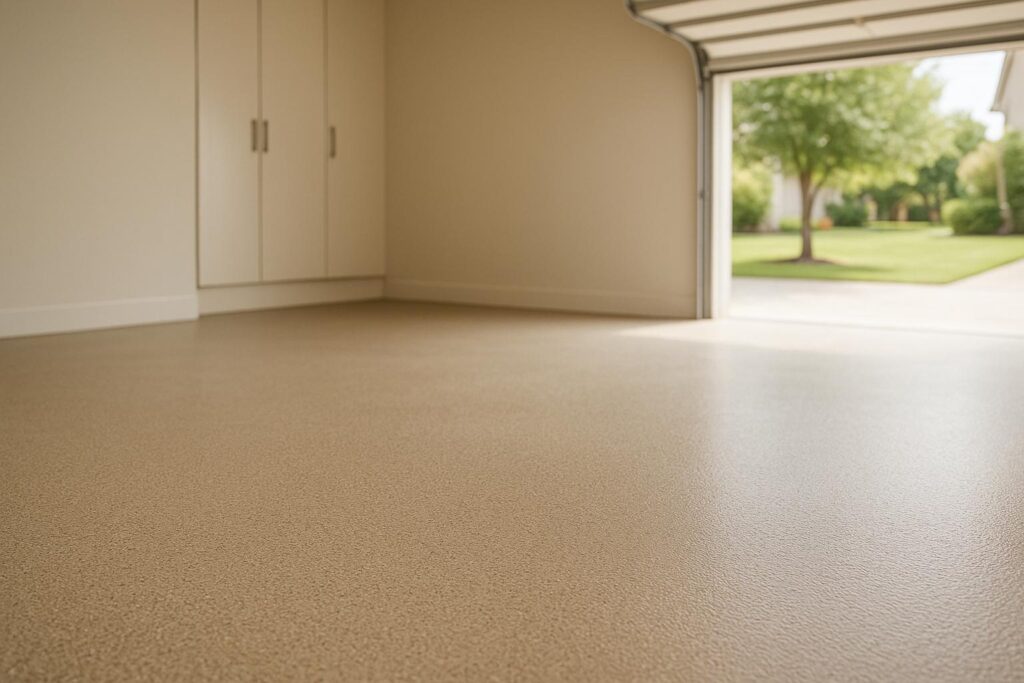
Polyurea coatings are a modern solution for upgrading concrete floors in homes and commercial spaces. These coatings address common issues like slipperiness, noise, and wear while offering fast application and long-lasting durability. Here’s what you need to know:
- Slip Resistance: Textured finishes with anti-slip materials (like silica sand or aluminum oxide) improve traction, even in wet or oily conditions.
- Noise Reduction: Polyurea absorbs impact vibrations, reducing echoes and creating quieter floors.
- Durability: Resistant to chemicals, UV exposure, and heavy loads, making it suitable for garages, pool decks, and industrial spaces.
- Fast Application: Walkable within hours and fully cured in 24 hours, minimizing downtime.
Polyurea coatings are tailored to specific needs, from textured pool decks to smooth, easy-to-clean retail floors. Routine maintenance ensures these surfaces stay safe and durable for years. Whether for safety, comfort, or aesthetics, polyurea is a practical choice for concrete flooring.
Polyurea Concrete Coatings In-Depth: Problems & Benefits
Slip Resistance: Improving Safety
Slips and falls rank among the most common causes of injuries in both homes and workplaces across the United States. Smooth concrete surfaces, in particular, can become treacherous when exposed to water, snow, oils, or chemicals – conditions often found in garages, pool decks, entryways, warehouses, and commercial kitchens. Polyurea coatings address this issue by transforming slippery concrete into a textured surface that provides much-needed traction.
How Slip Resistance Is Measured
Slip resistance is evaluated using the coefficient of friction (COF), a measure of how much grip a surface offers under both dry and wet conditions. Specialized equipment calculates this by determining the force needed to move an object across the surface, resulting in a COF value.
Safety standards and building codes often reference these COF values to establish minimum traction requirements. For standard walking surfaces, safety professionals typically aim for a COF of 0.5 or higher to minimize slip risks. In areas like ramps or wet zones, where the risk is higher or vulnerable individuals are present, even greater traction levels may be necessary.
Both OSHA regulations and ADA accessibility guidelines stress the importance of sufficient traction, especially in high-traffic areas, ramps, entrances, and pathways used by individuals with disabilities. Spaces prone to moisture or spills may require more aggressive texturing, while dry indoor areas can rely on subtler finishes that still meet safety requirements. These standards directly shape the design of polyurea coatings, ensuring they enhance safety across various settings.
How Polyurea Coatings Prevent Slips
Polyurea coatings are engineered to improve slip resistance by incorporating texture and anti-slip materials into their design. Unlike smooth, glossy surfaces that can become dangerously slick when wet, textured polyurea creates irregularities on both micro and macro levels, significantly improving grip.
- Vinyl flakes are embedded into the wet base coat and sealed with a clear top layer, offering a subtle texture ideal for areas like garages, basements, and showrooms where aesthetics and safety are equally important.
- Quartz and silica sand create a more pronounced texture, making them perfect for pool decks, outdoor walkways, and commercial kitchens that frequently encounter water.
- Aluminum oxide and similar grit materials deliver maximum traction, especially in demanding environments like loading docks, food service areas, and industrial spaces exposed to oils or chemicals.
The installation process also influences slip resistance. Techniques such as broom or trowel finishes add linear ridges to the surface, enhancing traction on ramps, outdoor areas, and transitions. Proper application ensures even distribution of aggregate materials, avoiding smooth spots that could become hazardous.
Polyurea systems are versatile enough to suit a wide range of needs. For example, a residential garage might feature a medium-flake system that balances easy cleaning with improved traction for wet shoes and vehicles. Meanwhile, a commercial kitchen might require a heavier aggregate broadcast for added grip in greasy or wet conditions.
Environmental and Maintenance Factors
Maintaining slip resistance over time is just as important as the initial installation. Even the most carefully designed surfaces can lose their effectiveness if not properly cared for or if contaminants accumulate.
- Seasonal challenges like water, snow, and ice can reduce traction during harsh winters. Textured polyurea surfaces need regular cleaning to remove road salts, slush, and other debris.
- Spills of oils and chemicals – such as motor oil, hydraulic fluids, or kitchen grease – can temporarily lower friction until cleaned. Polyurea’s chemical resistance simplifies cleanup in these situations.
- Temperature fluctuations and freeze-thaw cycles can degrade less durable coatings, leading to cracks or polished surfaces. Polyurea, however, flexes with the concrete substrate, resisting damage and maintaining its bond, even under heavy loads or thermal stress.
Proper maintenance is key to preserving safety. Regular sweeping or vacuuming removes dirt and debris, while prompt spill cleanup with mild detergent and water prevents slick spots. Periodic mopping with non-film-forming cleaners ensures the texture remains effective. Avoid using waxes, polishes, or harsh chemicals that could leave a glossy residue and compromise the surface’s grip.
Property owners should also conduct routine inspections to identify wear, glossing, or buildup that might reduce traction. In high-traffic or moisture-prone areas, periodic re-coating or re-texturing may be necessary to restore optimal slip resistance. Following the manufacturer’s maintenance guidelines ensures the coating continues to perform as intended.
For those in colder climates, textured polyurea greatly enhances safety, but it’s not a substitute for snow and ice removal. While the coating provides better traction than bare concrete, ice remains a hazard and requires regular clearing to keep entryways and outdoor surfaces safe.
Noise Reduction: Creating Quieter Floors
Polyurea coatings do more than just enhance slip resistance – they also contribute to a noticeably quieter environment. Concrete floors, known for reflecting sound, often create sharp echoes from footsteps, dropped tools, or rolling carts, especially in spaces like garages, basements, and warehouses. Adding a polyurea coating provides a flexible, durable layer that not only dampens noise but also boosts overall comfort.
Floor Acoustics Basics
Concrete floors amplify sound in two key ways. First, there’s impact noise, which occurs when objects like footsteps, dropped items, or machinery vibrations strike the surface. Concrete’s rigidity allows it to efficiently transmit these vibrations, resulting in loud, sharp echoes. Second, airborne noise – such as voices, music, or equipment hum – causes the surface to vibrate, further intensifying the echoes. Together, these effects can make untreated concrete floors sound harsh and unpleasant, making communication and comfort more challenging in such spaces.
How Polyurea Coatings Reduce Noise
Polyurea coatings work to reduce noise by absorbing vibrations and compressing slightly upon impact. When something strikes the floor, the polyurea layer takes in some of the energy that would otherwise bounce back as sound. Additionally, the seamless application of polyurea eliminates joints or seams that could transmit noise further.
Textured finishes on polyurea coatings also help by scattering sound energy instead of reflecting it back as a clear echo. Studies show that resilient floor layers and underlayments can improve Impact Insulation Class (IIC) ratings by 10–20 points compared to bare concrete. Polyurea coatings alone typically achieve IIC ratings between 50 and 65, translating to a reduction of about 10–20 decibels (dB) in impact noise.
While polyurea coatings provide substantial acoustic benefits, combining them with other noise-reducing methods can enhance results even further.
Other Noise-Reducing Methods
To maximize noise reduction, polyurea coatings can be paired with additional acoustic treatments. For instance, installing acoustic underlayments – made from materials like foam, rubber, or fiberglass – beneath the polyurea layer can absorb impact energy before it reaches the concrete. This approach is especially helpful in multi-story buildings, where noise isolation is a priority.
Other measures, such as using area rugs, acoustic panels, or vibration isolation pads, can further reduce both localized and airborne noise. These additions complement the noise-dampening properties of polyurea coatings, creating a more comprehensive acoustic solution.
For the best results, combining polyurea coatings with these additional treatments is key. Companies like Atlas Concrete Coatings offer polyurea-based systems that create durable, chip-resistant surfaces for spaces like garages, patios, and pool decks. These systems help moderate footfall noise and soften the otherwise harsh sounds associated with bare concrete floors.
Designing Polyurea Systems for Safety and Quiet
When designing a polyurea system, it’s important to tailor it to the environment it will serve. A garage floor exposed to hot tires and road salt has very different needs compared to a retail showroom with constant foot traffic, or a pool deck where bare, wet feet are the norm. The aim is to adjust the coating’s texture, thickness, and additives to match these real-world conditions, ensuring safe traction and a quieter experience – all while maintaining durability and ease of use. To achieve this, consider factors like traffic type, exposure to contaminants, and the condition of the concrete surface.
Matching Design to Application
The right design depends on how the space is used. For example, garages and pool decks in the U.S. often face moisture and freeze-thaw cycles, requiring highly textured, UV-stable polyurea coatings with good drainage. Retail spaces, on the other hand, benefit from smoother surfaces that minimize noise while still meeting slip resistance standards.
- Garages: A common setup includes a basecoat with decorative chips and a clear topcoat embedded with anti-slip media. This combination handles slick conditions caused by melted snow and road salt while standing up to hot tires and chemical exposure. It’s particularly effective in winter-prone areas across the northern U.S.
- Pool Decks and Patios: These spaces prioritize lighter, UV-stable polyurea coatings with a textured surface to ensure safety for bare feet. Effective water drainage and resistance to sun damage are key features.
- Indoor Retail Spaces: Smoother textures improve walkability and ease of cleaning while incorporating fine aggregates in high-traffic areas. These spaces focus on reducing glare and noise from footsteps while maintaining enough traction to prevent slips, even when rain or snow is tracked inside.
Specification Choices
Once the application is clear, fine-tune the system by adjusting factors like basecoat thickness, surface texture, anti-slip media, and topcoat sheen. Each element plays a role in balancing safety and noise reduction.
- Basecoat Thickness: Thicker systems (20–40 mils or more) are ideal for high-traffic areas, as they maintain slip resistance over time, absorb impacts, and reduce noise. In garages and workshops, polyurea systems can be sprayed up to 500 mils thick, providing durability and cushioning where needed.
- Surface Texture: Texture options range from broom or trowel finishes to chip or quartz broadcasts. Chip systems offer a softer, forgiving surface that hides dirt and dampens sound, making them popular for garages. Quartz systems, with their uniform texture, provide maximum grip in wet or sloped areas like pool decks.
- Anti-Slip Media: Options include silica sand, aluminum oxide, and polymer beads. Harder media like aluminum oxide offer excellent traction but can feel harsh and noisy, making them better for ramps or spill-prone areas. For quieter spaces like offices or showrooms, rounded polymer beads or fine silica are preferred, as they maintain slip resistance while offering a smoother, quieter walking experience.
- Topcoat Sheen: The finish impacts both safety and acoustics. High-gloss topcoats highlight water or oil but may create glare, while satin or matte finishes reduce reflections and make surface textures more visible. In busy facilities, lighter, low-sheen finishes improve visibility, while darker or high-gloss options are reserved for areas where aesthetics take priority.
Here’s a quick overview of how design choices impact safety and acoustics:
| Design Aspect | Safer (Slip Resistance) | Quieter / More Comfortable |
|---|---|---|
| System Thickness | Maintains slip-resistant profile in high-traffic zones | Absorbs impacts and reduces footfall noise |
| Surface Texture | Increases traction with broom finishes or aggregates | Moderates sound reflections with uniform texture |
| Topcoat Sheen | Reduces glare and highlights moisture hazards | Minimizes harsh reflections and acoustic sharpness |
| Chemistry & Hardness | Harder systems resist wear and maintain grip | Softer systems cushion impacts and dampen sound |
| Decorative Media | Adds grip with chip or quartz systems | Breaks up sound reflections for better acoustics |
When to Use Enhanced Systems
While standard chip systems work well for most garages and low-risk commercial spaces, some settings call for enhanced systems. These are especially useful in areas with sensitive occupants, prolonged standing, or high noise levels. Facilities with a history of slip incidents or complaints about noisy floors may also benefit from multi-coat or cushioned systems.
- Thicker Systems for Comfort and Noise Reduction: Ideal for basements, workshops, or retail zones where people stand for long periods. Thicker polyurea builds with slightly softer hardness (tensile strengths over 3,000 psi and Shore hardness ranging from 40 A to 80 D) offer better underfoot comfort and reduce fatigue. They also dampen footstep and impact noise, making the floor feel quieter and more comfortable.
- Thinner Systems for Rolling Loads: Spaces with tool chests, pallet jacks, or shopping carts benefit from thinner, smoother builds with controlled texture. This design maintains slip resistance while minimizing vibration and rolling resistance. Coarse aggregates, which can hinder smooth rolling, are avoided in favor of micro-textures.
In regions with freeze-thaw cycles, prioritize flexible polyurea chemistry, proper concrete preparation, and sealed textures that resist salts while shedding water effectively.
Atlas Concrete Coatings highlights the versatility of polyurea systems for garages, patios, and pool decks. Their UV-stable chip systems can be customized for varying chip densities and slip-resistant textures, making them suitable for both residential and light commercial use. Customers should provide details like traffic patterns, the presence of children or older adults, and any past slip or noise issues. This information helps providers, such as Atlas Concrete Coatings, fine-tune the system to meet specific needs, ensuring safety and comfort tailored to U.S. conditions.
sbb-itb-4b4bb37
Atlas Concrete Coatings: Your Partner in Polyurea Solutions
When it comes to flooring that combines safety, durability, and acoustic benefits, partnering with an experienced provider makes all the difference. Atlas Concrete Coatings specializes in delivering tailored polyurea solutions for residential, commercial, and industrial spaces across Pennsylvania and New Jersey. From slippery pool decks to noisy industrial floors, their expertise ensures customized results for every project.
Services Offered
Atlas Concrete Coatings offers a wide range of polyurea-based flooring services designed to meet diverse needs. Their garage floor coatings feature slip-resistant textures and decorative chip systems that withstand the challenges of hot tires, road salts, and harsh freeze-thaw cycles common in the Northeast. For outdoor areas, their pool deck resurfacing incorporates UV-stable polyurea, ensuring fade resistance and slip safety for wet surfaces.
For industrial environments, Atlas provides flooring solutions built to endure heavy machinery, chemical exposure, and constant traffic. With a tensile strength exceeding 3,000 psi, these coatings are engineered for performance. Additionally, their concrete repair services address surface damage before applying coatings, ensuring proper adhesion and long-term durability. Every project begins with meticulous surface preparation and finishes with a fully cured system in just 24 hours, minimizing downtime.
Their polyurea chip floor coatings stand out as a signature offering. These systems combine a tough basecoat, decorative chips, and a clear topcoat, giving customers the flexibility to choose chip colors and densities to suit their space. The result? Floors that deliver safety, durability, and a polished look.
Customizing Coatings for Safety and Noise Reduction
Atlas goes beyond standard solutions by tailoring each system to fit specific environments. For instance, a homeowner in Cherry Hill, New Jersey, had their pool deck resurfaced with a UV-stable, textured polyurea coating in September 2023. Even after a full summer of exposure to chlorine, sunlight, and heavy use, the surface maintained its traction and color while noticeably reducing noise from foot traffic.
The company takes factors like foot traffic, user demographics, and environmental conditions into account when designing coatings. For garages exposed to winter salt and snow, they recommend chip systems with enhanced texture and chemical resistance. In commercial spaces, they balance slip resistance with smoother finishes that reduce noise and simplify cleaning.
In one example, a commercial warehouse in Allentown, Pennsylvania, upgraded 8,500 square feet of concrete flooring with a polyurea chip system in June 2024. Completed in just two days, the project resulted in a floor that met OSHA slip-resistance standards and significantly reduced noise from forklift traffic. This highlights how professional installation and thoughtful design can improve both safety and functionality.
Atlas’s spray application method allows for coatings up to 500 mils thick in a single pass, speeding up the process and eliminating the need for multiple layers. Floors are touch-ready within hours and fully cured in about 24 hours, enabling light foot traffic the same day. This rapid turnaround is especially beneficial for businesses like restaurants and retail stores that can’t afford extended closures.
Why Choose Atlas Concrete Coatings?
Atlas Concrete Coatings combines advanced design with rapid installation to deliver floors that last. Their UV-resistant surfaces are a game-changer for outdoor applications like pool decks and patios, maintaining their appearance and functionality even under intense sunlight. Unlike traditional epoxy coatings, which often fade or become uneven, Atlas’s polyurea systems retain their color and texture over time.
For residential customers, Atlas offers a lifetime warranty on chip systems, covering delamination and coating failures. This guarantee reflects confidence in their product quality while providing peace of mind. With routine maintenance, polyurea coatings can last 15 to 25 years or more, far outlasting standard epoxy or paint in high-traffic areas.
The customizable finishes available through Atlas allow property owners to match their flooring to their décor without sacrificing performance. Whether you’re looking for a glossy showroom finish or a textured garage floor, Atlas adjusts chip colors, textures, and sheens to meet your needs.
Customer reviews consistently praise the company’s quality and service. Ben Bender shared his experience on Google:
"Atlas did a great job on our garage floors. The previous owner installed epoxy and it failed. Anthony took the time to explain the process and how it was superior to the product previously used. He answered every question we had. The floors were done same day and we are very happy with the results. Even when we noticed an area where water had infiltrated during the cure period, Atlas came back and corrected the situation. We highly suggest their services".
Other customers frequently highlight benefits like "no more slippery garage floor", "looks brand new after a year", and "great for high heels and kids running around". Professional installers also note that polyurea chip systems are easier to maintain and more resistant to chipping or peeling than traditional epoxy, particularly in garages exposed to salt and snow.
With a combination of fast installation, durable finishes, customizable options, and strong warranty coverage, Atlas Concrete Coatings provides a reliable solution for property owners. Their ability to balance safety, noise reduction, and aesthetics makes them a trusted partner for residential, commercial, and industrial flooring projects across Pennsylvania and New Jersey.
Maintenance, Lifespan, and Cost of Polyurea Coatings
Maintaining Slip Resistance and Noise Control
Keeping polyurea floors safe and quiet is straightforward with the right care. Regular cleaning is key to preserving their slip-resistant and noise-reducing features. For high-traffic areas, daily vacuuming works best, while weekly sweeping is sufficient for residential spaces. This routine helps prevent grit from wearing down the textured surface that provides traction and dampens noise.
For a deeper clean, use a diluted neutral-pH cleaner with a soft-bristle brush or an auto-scrubber to tackle oils and fine debris. Avoid harsh chemicals like undiluted acetone, xylene, strong alkaline degreasers, or acidic cleaners, as they can damage the topcoat and diminish traction. Similarly, steer clear of abrasive pads, aggressive scrubbing, and silicone-based products that can fill in the texture and increase surface gloss, reducing slip resistance.
Address spills promptly by wiping up oils and liquids and rinsing the area thoroughly. Standing contaminants can temporarily reduce friction and create reflective films that amplify noise. Inspect the surface at least twice a year in homes or quarterly in busy facilities to catch issues like glossy patches, flattened aggregates, cracks, or stubborn dirt.
In critical spaces like loading docks, commercial kitchens, or pool decks, periodic slip testing or monitoring slip incidents can help determine when maintenance is needed. If the base polyurea layer remains intact but the surface looks worn or polished, professionals can restore it by abrading the topcoat, reapplying anti-slip aggregates, and adding a fresh clear coat. For residential areas, spot repairs – filling chips or gouges and recoating the affected area – are often enough. In contrast, high-traffic commercial spaces may require a full topcoat refresh to maintain their appearance and safety.
With consistent maintenance, polyurea coatings can provide long-lasting performance, even in challenging conditions.
Lifespan in U.S. Environments
Polyurea coatings are known for their durability across various U.S. climates. In a typical residential garage with normal vehicle use and regular cleaning, professionally installed systems often last 15 years or more before needing anything beyond minor touch-ups or a new topcoat. In basements, where UV exposure is minimal but moisture is a concern, polyurea’s flexibility and water resistance allow it to handle minor slab movements and temperature changes for over a decade.
Outdoor surfaces like patios, driveways, and pool decks face harsher conditions, but with UV-stable formulations and routine maintenance, they can still achieve long service lives. Polyurea’s elasticity and strong bond to concrete make it especially effective in handling freeze-thaw cycles, heavy loads, and thermal expansion, outperforming traditional epoxy options.
Regional climate plays a big role in how polyurea performs. In northern states with frequent freeze-thaw cycles, its flexibility helps prevent cracking and water intrusion. In sunny areas like the Southwest, UV-stable versions resist chalking and fading. For regions exposed to de-icing salts and road chemicals, regular rinsing helps maintain the coating’s chemical resistance. Contractors also highlight that polyurea remains flexible even in extremely cold conditions, making it ideal for cold climates like Minnesota, where it withstands repeated freeze-thaw cycles without cracking. Additionally, industrial applications benefit from polyurea’s ability to handle heavy machinery traffic, resist hot-tire pickup, and endure abrasions, with tensile strengths often exceeding 3,000 psi.
Cost and Value Over Time
Polyurea coatings typically cost more per square foot than basic epoxy due to their fast-curing, multi-layer resins and specialized installation process. However, this upfront investment brings several advantages, such as one-day installation, quick return to service, thicker layers, and enhanced slip resistance. These benefits are particularly valuable for commercial and industrial projects where minimizing downtime is crucial.
Several factors affect the final cost, including the size of the project, the condition of the substrate, any necessary repairs, and decorative elements like flake broadcasts. Additional features like slip-resistant or noise-control enhancements can also influence pricing. Over a 10–15 year period, polyurea’s durability and low maintenance requirements significantly reduce overall costs. Its long lifespan, resistance to abrasions and chemicals, and reduced need for recoating help avoid the expense of frequent removal and reinstallation. The rapid curing time – allowing light foot traffic within hours and full use in about 24 hours – means that projects, whether residential garages or commercial spaces, can quickly return to normal use, minimizing disruptions.
Polyurea’s consistent slip resistance and impact-dampening properties also help reduce indirect costs, such as those associated with slip-and-fall incidents and liability risks. Additionally, its ability to protect against chemicals, water, and de-icing salts prevents concrete pitting and spalling, extending the life of the underlying surface and lowering long-term repair expenses. For example, a two-car garage can be completed in one day, allowing vehicles to park the next day while providing lasting protection against hot-tire pickup, road salts, and oil drips – even in wet conditions. In commercial or light-industrial settings, polyurea is often chosen for loading docks, service bays, or showrooms because work can be completed over a weekend, resulting in a durable, slip-resistant surface that withstands forklifts, spills, and frequent cleaning.
Experts generally advise using enhanced slip-resistant textures – achieved through higher aggregate loading or more aggressive broadcasting – for areas that are frequently wet, oily, or heavily trafficked.
Conclusion: Safer, Quieter Floors with Polyurea Coatings
Polyurea coatings provide a practical solution for creating safer, quieter floors in homes, businesses, and industrial spaces throughout the United States. By addressing the challenges of slippery and noisy concrete surfaces, these coatings deliver a durable, textured finish that enhances traction – even in wet conditions – while reducing noise by absorbing impact and softening echoes. Whether it’s a garage, warehouse, or pool deck, a properly applied polyurea coating helps prevent slips and keeps disruptive noise in check.
What sets polyurea apart is its durability and long-term performance. These coatings are up to four times stronger than epoxy and come with warranties lasting over 15 years, compared to epoxy’s typical reapplication cycle of 3–5 years. Their flexibility allows them to withstand extreme temperature changes – whether it’s freezing Minnesota winters or scorching Southwest summers – without cracking or losing their slip-resistant properties. This ensures that both safety and acoustic benefits endure well into the future.
Atlas Concrete Coatings specializes in delivering professional-grade polyurea systems tailored to meet your specific needs. Their team carefully selects the ideal texture, aggregate type, and finish for each project, ensuring the final result aligns with your safety and comfort requirements. With a streamlined one-day installation process and floors ready for use within 24 hours, Atlas minimizes downtime while providing a surface designed to improve safety and noise reduction.
Choosing polyurea is more than just a flooring upgrade – it’s an investment in reliability and peace of mind. Let Atlas Concrete Coatings help you achieve slip-resistant, quieter floors that stand up to the demands of U.S. conditions. Visit https://atlasonedayfloors.com to schedule a free consultation and get a custom project quote today.
FAQs
What makes polyurea coatings more durable and easier to maintain than epoxy coatings?
Polyurea coatings stand out for their toughness and flexibility, which help them resist cracking, peeling, and general wear over time. Compared to traditional epoxy, they handle extreme temperature shifts and heavy impacts with ease, providing reliable, long-term performance.
Another advantage is their low-maintenance nature. Thanks to their smooth, non-porous surface, they repel stains, dirt, and moisture, making cleaning a breeze. These features make polyurea coatings a smart option for both residential and commercial applications.
What should I consider when choosing a polyurea coating for areas like garages or pool decks?
When choosing a polyurea coating, it’s important to match the coating to the specific demands of your space. For garages, focus on durability and resistance to chemicals and heavy wear – these features ensure your flooring can handle vehicles and tools without damage. On the other hand, for pool decks, slip resistance and UV stability should be top priorities to enhance safety and maintain appearance over time. Don’t forget to explore the range of aesthetic options available, so you can achieve a look that complements your style while meeting practical needs.
One of the standout features of polyurea coatings is their adaptability. Whether you’re working on a residential or commercial project, these coatings offer long-lasting protection and can be customized to meet the specific challenges of your environment.
Can polyurea coatings be tailored for safety and style, and what does the process involve?
Polyurea coatings offer a great mix of safety and style, making them a versatile choice for various spaces. They can be customized with slip-resistant textures to improve traction, reducing the risk of slips and falls. This makes them particularly useful in areas like garages, pool decks, and industrial floors where safety is a priority.
On top of that, polyurea coatings are available in a wide range of colors, patterns, and finishes. Whether you’re aiming for something bold or subtle, you can choose a look that fits your space while still addressing practical needs.
Customization involves picking the right materials and finishes to balance durability, safety, and aesthetics. When installed by professionals, these coatings provide a long-lasting, low-maintenance solution that’s both functional and visually pleasing.