
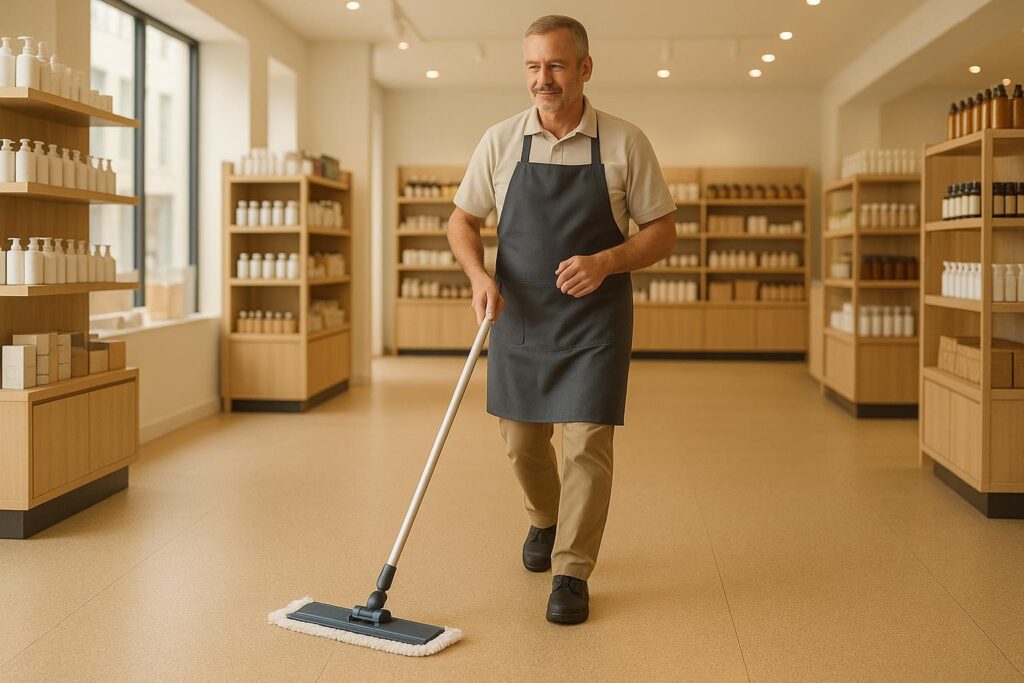
Slip-resistant flooring can significantly reduce slip-and-fall accidents in retail spaces, which account for over 18% of workplace injuries. These incidents cost businesses through lawsuits, insurance claims, and OSHA fines, which can reach $15,625 per violation. Retailers face unique challenges like wet entryways, spills, and heavy foot traffic, making safety-critical.
Here’s why slip-resistant floors matter:
- Prevent Accidents: Improve traction to reduce slips, even in wet or high-traffic areas.
- Lower Costs: Avoid legal fees, insurance hikes, and OSHA penalties.
- Comply with Regulations: Meet ADA and ANSI standards for safe walking surfaces.
- Durability: Materials like polyurea coatings resist wear, moisture, and UV damage, lasting over a decade.
- Quick Installation: Floors can be ready in just one day, minimizing downtime.
Retailers can boost safety, protect profits, and maintain compliance by investing in slip-resistant flooring and proper maintenance.
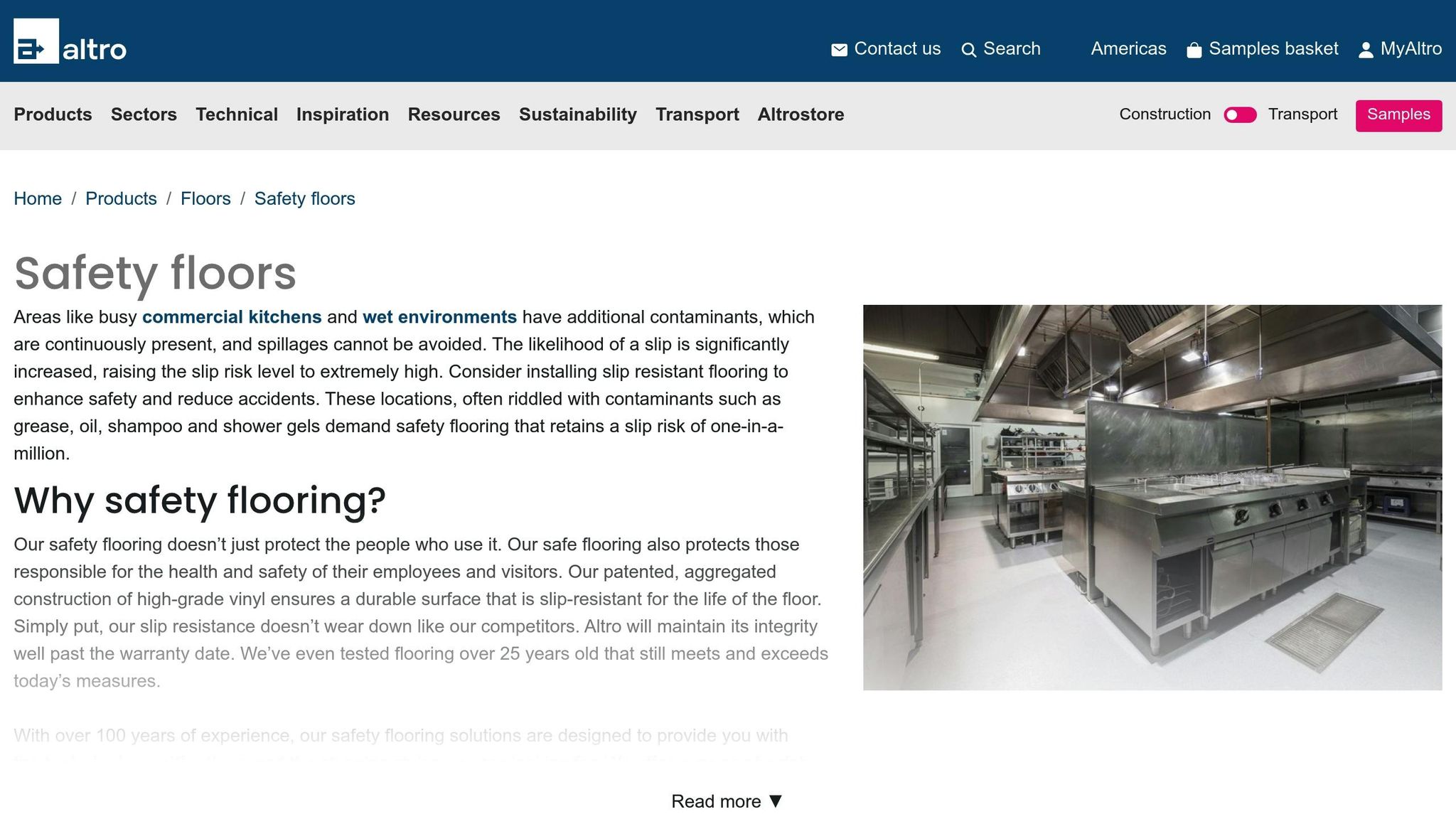
Altro safety flooring – explaining slip resistance
Slip and Fall Risks in Retail Spaces
Retail spaces come with a unique set of safety challenges. The steady stream of customers, unpredictable weather, and occasional spills create a perfect storm for accidents. Understanding these risks is key to creating a safer shopping environment. Let’s dive into how retail-specific factors increase the likelihood of slip and fall incidents.
How Common Are Slip and Fall Accidents
Slip and fall accidents make up more than 30% of workplace injuries in commercial spaces. Retail businesses are particularly at risk, with 40% of hazardous walking-surface incidents occurring in retail and real estate settings. Alarmingly, studies reveal that half of the retail floors tested failed to meet the minimum slip resistance standard of 0.42 DCOF, as outlined by the American National Standards Institute.
Certain areas in stores are more prone to accidents. Entryways, lobbies, and checkout zones often see moisture from weather or spills. In grocery stores, produce sections and beverage aisles are hotspots due to misting systems and dropped items.
While these incidents are common, they rarely result in severe injuries. However, even minor accidents can have a ripple effect, leading to liability issues, increased insurance claims, and disruptions that ultimately hurt a business’s bottom line.
Some groups face a higher risk. Elderly customers, for instance, may struggle with balance and slower reflexes, making them more vulnerable. Children are also at risk due to their unpredictable movements. Employees working in high-risk areas, such as entrances or stockrooms, face constant exposure throughout their shifts.
Seasonal weather patterns add another layer of complexity. Winter snow and ice often get tracked into stores, creating slippery entryways, while spring and fall rains bring similar challenges. Even summer humidity can lead to condensation on floors, especially near air-conditioned entrances.
Financial and Legal Costs for Businesses
The financial fallout from slip and fall accidents can be staggering. Beyond immediate medical bills, businesses face costs like workers’ compensation claims, liability payouts, legal fees, and higher insurance premiums. There are also indirect expenses, such as lost productivity and administrative burdens.
Operational disruptions are another concern. Injured employees may leave staffing gaps during busy periods, impacting service quality and sales performance. A single incident can damage a company’s reputation, driving away customers and eroding long-term loyalty. On top of that, remaining staff may feel increased stress, which can lead to reduced productivity and higher turnover rates.
Retailers must also navigate regulatory requirements. Many jurisdictions enforce safety standards under building codes or OSHA guidelines. Non-compliance can result in fines and legal troubles, adding to the financial strain. While investing in slip-resistant flooring may seem costly upfront, it often pays off by minimizing accident-related expenses and reducing maintenance needs.
In short, the costs of slip and fall accidents – ranging from medical expenses to legal liabilities and operational setbacks – underscore why prevention is not just about safety but also smart business management. Proactive measures can protect both people and profits.
How Slip-Resistant Floors Improve Safety
Slip-resistant flooring addresses one of the leading causes of accidents – poor traction – by improving how footwear grips the surface. These floors act as a protective layer, reducing the risk of slips and falls, especially in areas prone to hazards.
How Slip-Resistant Surfaces Work
Slip-resistant flooring works by increasing the friction between shoes and the floor. This added friction helps prevent slips, even in conditions where the surface is wet or oily.
Different materials contribute to this improved traction. For example, vinyl composition tile (VCT) with slip-resistant additives and rubber flooring combines strength, visual appeal, and shock absorption to provide a secure grip underfoot. Even in wet or greasy conditions, these materials hold up well.
Polyurea-based chip coatings are another option, offering a mix of durability and consistent grip. These coatings are designed to handle heavy use without cracking or peeling, ensuring long-lasting slip resistance. Textured finishes, featuring grooves, embedded aggregates, or chemical treatments, further enhance safety by increasing contact points between footwear and the floor. Whether it’s a customer navigating a wet entryway or an employee carrying heavy items, these features significantly reduce the likelihood of slips.
Modern slip-resistant materials are also built to last. Polyurea coatings, for instance, are resistant to extreme temperatures, UV rays, and exposure to harsh chemicals. This durability ensures that the flooring maintains its safety features over time while meeting strict safety standards.
Meeting Industry Safety Standards
Creating a safe space isn’t just about design – it’s also about meeting regulatory guidelines. The Americans with Disabilities Act (ADA) requires spaces to have adequate traction, ensuring accessibility for everyone, including individuals with mobility challenges. Similarly, the American National Standards Institute (ANSI) recommends specific friction levels: a coefficient of friction (COF) of 0.60 for flat surfaces and 0.80 for ramps. Meeting or exceeding these benchmarks significantly lowers accident risks.
However, compliance isn’t always straightforward. A CNA study covering January 1, 2010, to December 31, 2016, revealed that half of the surveyed retail sites failed to meet the minimum dynamic coefficient of friction (DCOF) threshold of 0.42. Retail and real estate businesses alone accounted for 40% of slip-and-fall incidents in entry areas. Aside from safety concerns, non-compliance can lead to expensive lawsuits, higher insurance premiums, and hefty fines. A single slip-and-fall incident can result in tens of thousands of dollars in legal and medical costs. By installing slip-resistant flooring that meets ADA and ANSI standards, businesses not only improve safety but also demonstrate their commitment to preventing accidents, which can be a critical factor in legal disputes.
Maintenance Requirements for Safety Performance
Even the best slip-resistant flooring needs proper care to stay effective. Over time, dirt, debris, and spills can wear down the surface, potentially turning a safe floor into a hazard.
Quick cleanup is key. Every minute a spill remains on the floor increases the risk of an accident. Retail staff should follow clear protocols to address spills immediately, with cleaning supplies easily accessible. Using residue-free cleaning products helps maintain the floor’s slip-resistant properties, while abrasive materials that could damage the surface should be avoided.
Routine maintenance plays a direct role in preventing slips, especially in busy retail environments. Regular tribometer testing can measure slip resistance and identify areas needing attention. This is particularly important in high-traffic or moisture-prone zones.
Modern coatings make cleaning easier and help preserve traction. Regular inspections for signs of wear – like cracks, peeling, or smooth spots – allow for timely repairs before minor issues escalate into major problems.
Research shows that consistent maintenance and straightforward strategies to preserve slip-resistant features can dramatically reduce the risk of slip-and-fall accidents.
Benefits of Slip-Resistant Flooring for Retail
Slip-resistant flooring offers more than just accident prevention – it’s a smart investment for your business. From reducing liability risks to enhancing store aesthetics, these floors deliver practical and financial advantages while keeping disruptions to a minimum during installation.
Better Safety and Lower Liability
Slip-resistant flooring plays a significant role in reducing accidents, which in turn lowers your financial exposure to costly slip-and-fall incidents. These accidents often lead to legal disputes and higher insurance claims, both of which can strain your bottom line. By installing compliant, slip-resistant surfaces, you demonstrate proactive safety measures. This can be a key factor in legal cases, potentially reducing settlement costs. Plus, fewer claims may lead to lower insurance premiums, with some insurers even offering discounts for businesses that prioritize safety.
Regulatory compliance is another critical factor. OSHA imposes steep fines for slip-and-fall hazards, with daily penalties until the issues are resolved. Meeting ADA standards from the start also eliminates the risk of non-compliance penalties.
A safer environment doesn’t just protect customers – it boosts employee confidence and productivity. When staff feel secure in high-traffic areas like checkout counters or stockrooms, they can work more efficiently, reducing downtime caused by injuries. For industries like retail and real estate, where 40% of incidents occur on walking surfaces – particularly entry flooring – this is especially important.
These safety measures highlight why slip-resistant flooring is a valuable tool for managing risk effectively.
Enhanced Appearance and Long-Term Durability
Modern slip-resistant flooring doesn’t just focus on safety; it also improves the overall look of your store. Today’s advanced coatings combine functionality with style, making it easier to align flooring with your brand’s aesthetic.
- Customizable Looks: Polyurea-based coatings come in a variety of colors, textures, and finishes, allowing you to create a cohesive design that matches your branding.
- Durability: Unlike traditional epoxy flooring, polyurea coatings resist common issues like chipping, peeling, and discoloration. These systems are built to last for at least 10 years, reducing the need for frequent repairs or replacements.
- Resilience: These coatings maintain their integrity under extreme conditions, including high temperatures, UV exposure, and contact with harsh chemicals. This ensures your floors remain professional-looking over time.
"An investment in the right protective coating for your garage floor or commercial workspace equals long-term savings and reliable surface performance."
- Atlas Concrete Coatings
By combining aesthetic flexibility with robust durability, slip-resistant flooring helps create a polished retail environment. This not only leaves a positive impression on customers but also reinforces your commitment to quality and professionalism.
Quick Installation with Minimal Disruption
Time is money, especially in retail. Slip-resistant flooring installations are designed to be fast and minimally disruptive, helping you avoid extended closures and lost revenue.
- Efficient Process: Many installations can be completed in a single day, often during off-hours or in phases, so your store remains accessible. Advanced polyurea blends cure much faster than traditional flooring options, making the surfaces usable within a day.
- Revenue Protection: By scheduling installations during non-peak hours, you can avoid significant revenue losses. For instance, if your store generates $5,000 daily, even a short closure can have a noticeable financial impact.
- Expert Execution: Professional installers bring the right tools and expertise to complete the job accurately, minimizing delays caused by errors. They also provide warranties and aftercare services, giving you added peace of mind.
"The floors were done same day and we are very happy with the results."
- Ben Bender, Google Review
With a streamlined installation process, your store can stay operational while enjoying the long-term benefits of durable, slip-resistant flooring. This efficient approach ensures that your investment delivers value without disrupting your business.
sbb-itb-4b4bb37
Atlas Concrete Coatings: Retail Floor Safety Solutions
Retail spaces face unique challenges when it comes to flooring – constant foot traffic, frequent spills, and the ever-present risk of slip-and-fall accidents. Atlas Concrete Coatings steps in with flooring systems that prioritize safety without compromising on style. Their polyurea-based solutions are designed to meet safety regulations while enhancing the overall look of your store. Plus, these systems are engineered to handle the demands of retail environments with minimal downtime during installation.
Polyurea-Based Chip Floor Coatings
Slip-and-fall incidents can be a major concern in retail, but Atlas Concrete Coatings’ polyurea-based chip floor coatings provide the traction needed to reduce these risks. The embedded chips create a textured surface that stays grippy, even in high-traffic areas like entryways, checkout zones, and display sections. These coatings are specifically designed to exceed safety standards, making them a smart choice for accident-prone spaces.
What sets these coatings apart is the polyurea base. Unlike traditional epoxy systems, polyurea offers greater flexibility and impact resistance. This means the surface remains intact under heavy foot traffic, avoiding cracks or peeling that could compromise safety.
"The difference in durability and surface longevity often comes down to the skill of application." – Atlas Concrete Coatings
Another standout feature is their resistance to chemicals and moisture. Spills from drinks, cleaning supplies, or other substances won’t degrade the surface, ensuring consistent traction over time. Additionally, their moisture resistance keeps water from seeping into the concrete, preserving the coating’s bond and overall performance. These durable, slip-resistant coatings are available in a variety of options to suit different retail needs.
Custom Styles and Long-Lasting Performance
Safety doesn’t have to come at the expense of style. Atlas Concrete Coatings offers a wide range of customization options, allowing retailers to match their flooring to their brand’s aesthetic. From colors to textures to finishes, you can design a look that ties your space together while keeping it safe.
Beyond appearance, customization also extends to functionality. For example, areas with heavy foot traffic might benefit from more aggressive texturing, while display sections can opt for subtle finishes that still meet safety requirements. The result? A tailored solution that balances style and practicality.
These floors are built to endure. Thanks to their UV-resistant formulation, they won’t fade or discolor – even in areas flooded with natural light. Atlas also backs their chip systems with a lifetime warranty, giving you peace of mind that your investment will stand the test of time.
A retail showroom in Ohio serves as a great example. After experiencing frequent slip-and-fall incidents, they upgraded to Atlas’s polyurea-based chip floor coatings. The result? A noticeable drop in accidents and a boost in customer and staff confidence. On top of that, the custom finish elevated the showroom’s appearance, creating a better shopping experience while keeping maintenance costs low.
Professional Installation and Support
Atlas Concrete Coatings understands that downtime can hurt your business. That’s why their installation process is designed for speed and precision. Most retail installations are completed in just one day, often during off-hours or weekends to avoid disrupting operations. Thanks to the fast-curing polyurea, floors are ready for use within 24 hours.
"Atlas did a great job on our garage floors. The previous owner installed epoxy and it failed. Anthony took the time to explain the process and how it was superior to the product previously used. He answered every question we had. The floors were done same day and we are very happy with the results. Even when we noticed an area where water had infiltrated during the cure period, Atlas came back and corrected the situation. We highly suggest their services." – Ben Bender, Google
Proper installation is critical with polyurea systems due to their fast-drying nature. Atlas’s experienced team ensures every application is precise, taking into account surface conditions and specific requirements to deliver a flawless finish. Their expertise guarantees a durable and consistent result, backed by a commitment to aftercare.
The support doesn’t stop once the floors are installed. Atlas provides detailed maintenance advice to help preserve the slip-resistant properties of your floors. They recommend regular inspections and offer professional services for any necessary repairs or touch-ups. This ongoing support ensures your floors remain safe and functional for years to come.
To make the process even easier, Atlas offers free consultations and estimates. Their team helps you explore your options, compare products, and choose the best solution for your retail space – whether it’s a small boutique or a large commercial showroom.
Practical Tips for Retailers: Improving Floor Safety
Keeping your floors safe involves consistent testing, proper maintenance, and working with the right professionals. Here’s how to create a reliable floor safety program.
Regular Testing and Maintenance
Testing your floors regularly is essential to ensure they maintain adequate slip resistance. Use a tribometer to measure the Dynamic Coefficient of Friction (DCOF) at least every quarter. For areas with heavy foot traffic or frequent spills, consider testing more often. Always document test results, including dates, locations, and DCOF measurements – this not only helps you track safety but also provides critical evidence if an accident occurs.
Floor testing shouldn’t be a one-time event. Reassess after any significant changes, like introducing new cleaning products, seasonal weather shifts, or periods of increased customer traffic. Proper documentation demonstrates your commitment to safety and can serve as a protective measure in liability cases.
When it comes to cleaning, act fast. Spills should be cleaned immediately using residue-free products, as oil-based or residue-leaving cleaners can make floors dangerously slippery. Even with slip-resistant materials like polyurea-based coatings, regular care is crucial. These coatings resist stains and are easy to clean, but they still require proper upkeep.
A solid maintenance routine includes frequent sweeping in high-traffic areas, immediate spill cleanup, and periodic deep cleaning with manufacturer-recommended products. Train your staff to recognize warning signs like smooth patches, visible wear, or reduced texture. These issues signal the need for professional evaluation to maintain safety.
Once testing and maintenance are in place, choosing the right flooring becomes the next priority.
Selecting the Right Flooring Solution
The flooring you choose should address your store’s specific risks, as no single option suits every environment. Start by mapping out your space to identify high-risk zones like entryways, checkout counters, and other high-traffic areas.
Foot traffic patterns play a big role in selecting the right material. For example, entryways and main aisles, which see constant movement, require flooring with aggressive texturing. In contrast, sections like fitting rooms or display areas might handle lighter traffic and can use subtler finishes, provided they still meet safety standards. A grocery store, for instance, deals with moisture and dropped produce, while a clothing retailer focuses more on water tracked in by seasonal weather.
For moisture-prone areas, like those exposed to misters or frequent spills, consider slip-resistant, polyurea-based coatings. These coatings resist UV damage and won’t fade or discolor, making them ideal for spaces with large windows. Additionally, they perform well in environments with temperature swings or high humidity, which can impact how quickly floors dry after cleaning.
When evaluating flooring options, aim for materials that exceed COF ratings of 0.60 for flat surfaces and 0.80 for ramps. Testing under wet conditions provides a more accurate picture of how the flooring will perform in everyday scenarios. Beyond safety, balance aesthetics and budget. While initial costs are important, consider long-term maintenance expenses and durability. Some materials require frequent refinishing, whereas options like polyurea-based coatings offer years of reliable performance with minimal upkeep.
Of course, even the best flooring material needs proper installation to deliver its full benefits.
Working with Experienced Professionals
Professional installation is key to ensuring your flooring performs as intended. Polyurea coatings, for example, cure quickly, so precise application is critical to avoid weak spots or adhesion issues. Experienced installers assess factors like substrate quality, moisture levels, and traffic patterns to recommend the best solution for your store’s unique conditions.
The value of working with professionals extends beyond installation. They can guide you on maintenance best practices, suggest cleaning products that won’t damage the surface, and conduct follow-up inspections to ensure long-term performance. If problems arise – like water infiltration during the curing process – reliable providers will address them promptly.
Additionally, professionals can help you navigate OSHA and ADA requirements, providing certifications that prove your flooring meets regulatory standards. This documentation is invaluable if liability claims arise. Keep in mind that OSHA penalties for slip-and-fall hazards can reach $15,625 per violation, or as much as $156,259 for willful or repeated offenses. Investing in compliance support can save you significant costs and headaches down the road.
When choosing a provider, look for those who offer free consultations and detailed estimates. Ask about warranties, aftercare services, and how quickly they respond to repair requests. Providers committed to long-term relationships will stand by their work and remain available when you need assistance.
Professional support also makes staff training easier. Providers can teach your team how to recognize performance issues, use proper cleaning techniques, and know when to call for professional evaluation. This empowers your staff to maintain safety between service visits and fosters a workplace culture where everyone takes responsibility for preventing accidents.
Conclusion
Slip-resistant flooring is more than just a safety measure – it’s a smart investment in protecting your customers, employees, and business. With slips and falls responsible for over 18% of workplace injuries, the importance of choosing the right flooring can’t be overstated. Preventing accidents not only spares you from medical expenses and legal risks but also helps safeguard your reputation.
Today’s advanced coatings deliver durability, attractive finishes, and quick installation. These floors are built to handle heavy foot traffic, challenging weather conditions, and everyday spills, all while helping you meet safety regulations.
Staying compliant with OSHA and ADA standards is crucial. Fines for non-compliance can climb to $15,625 per violation, or as high as $156,259 for willful or repeated offenses. By investing in high-quality flooring, you show a commitment to safety, which fosters trust and encourages customers to return.
Atlas Concrete Coatings offers polyurea-based systems designed to improve traction, resist moisture, and endure high impacts. Unlike traditional epoxy, polyurea maintains its slip-resistant properties for a decade or more. Plus, with professional installation, your floors can be ready to use in just one day, minimizing downtime while maximizing safety.
FAQs
How do slip-resistant floors compare to traditional flooring in terms of cost and upkeep?
Slip-resistant flooring, like the options offered by Atlas Concrete Coatings, is crafted to provide durability and long-term reliability. While the initial cost might be higher than traditional flooring choices, their low upkeep needs and resilience under heavy use can lead to considerable savings over time.
Designed to last a decade or more, these floors require only basic cleaning to keep them looking good and performing well. This makes them a practical choice for retail spaces that value both safety and efficiency.
What are the best slip-resistant flooring options for retail spaces?
Slip-resistant flooring plays a key role in making retail spaces safer, helping to prevent slips and falls for both customers and employees. One standout option is polyurea-based chip floor coatings. These coatings provide excellent traction and hold up well under heavy foot traffic, making them ideal for busy retail environments.
Beyond safety, these coatings offer a touch of versatility. Businesses can customize them with various styles and finishes to match their branding or interior aesthetics. Plus, with quick installation and lasting durability, they’re a practical choice for retailers looking to enhance safety without disrupting operations.
How can retailers maintain the safety of their slip-resistant flooring over time?
To keep slip-resistant flooring up to safety standards, consistent maintenance is key. Begin with regular cleaning to clear away dirt, grease, and debris – these can compromise traction. Stick to cleaning products suited to your specific flooring material to prevent any unintended damage.
It’s also important to routinely inspect the floors for wear or damage. If you notice areas that seem worn down or less effective, it might be time to consider professional resurfacing or repairs. Atlas Concrete Coatings provides tough, long-lasting options like polyurea-based coatings. These coatings not only improve safety but also require minimal maintenance, making them a smart pick for retail environments.