
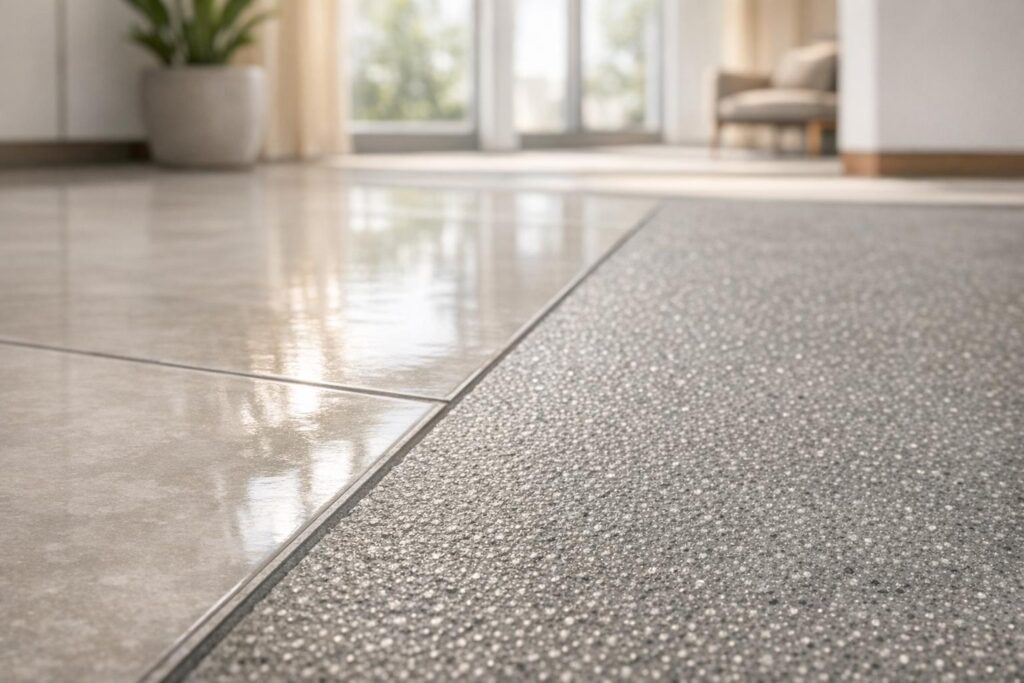
Ensure Floor Safety with a Slip-Resistant Surface Calculator
When it comes to keeping your home or workplace safe, few things are as critical as preventing slips and falls. Floors in areas like bathrooms, pool decks, or even garages can become hazardous without the right grip. That’s where a tool to assess slip resistance becomes a game-changer. By evaluating factors like surface material and usage, you can pinpoint the exact safety level needed to protect everyone who walks through your space.
Why Slip Resistance Matters
Slippery surfaces cause thousands of injuries every year, often in places we least expect. Wet tiles near a pool or a polished concrete floor in a workshop can turn dangerous fast. Understanding the traction—or lack thereof—on your floors helps you take proactive steps. A quick calculation of the necessary friction rating can guide you toward the best coatings, textures, or treatments to apply.
Tailored Safety for Every Space
Not every floor faces the same risks. A high-traffic commercial kitchen demands more robust safety measures than a quiet home office. Using a specialized calculator for flooring grip ensures you’re not over- or under-preparing. It’s a small step that makes a big difference in creating secure, worry-free environments for family, employees, or customers.
FAQs
What is a Coefficient of Friction (COF) rating?
The Coefficient of Friction, or COF, measures how much grip a surface provides. A higher COF means better slip resistance, which is crucial for areas prone to wetness or heavy foot traffic. Think of it as a safety score—pool decks often need a COF of 0.6 or higher, while a dry garage might be fine with 0.4. Our tool calculates the ideal rating based on your specific setup.
How can I improve slip resistance on my floors?
There are a few practical ways to boost slip resistance. For concrete, consider applying a textured coating or sealant designed to increase grip. On tiles, anti-slip tapes or treatments work wonders, especially in wet areas like bathrooms. Also, regular cleaning to remove grease or spills helps maintain safety. Our calculator will suggest specific methods based on your surface and location.
Why does foot traffic matter for slip resistance?
Foot traffic plays a big role in determining how much wear and tear your floor endures, which impacts safety. High-traffic areas, like a busy pool deck, are more likely to get wet or worn down, so they need a tougher slip resistance level. Low-traffic spots, like a personal garage, can often manage with a lower rating. We factor this into our recommendations to keep your space as safe as possible.