
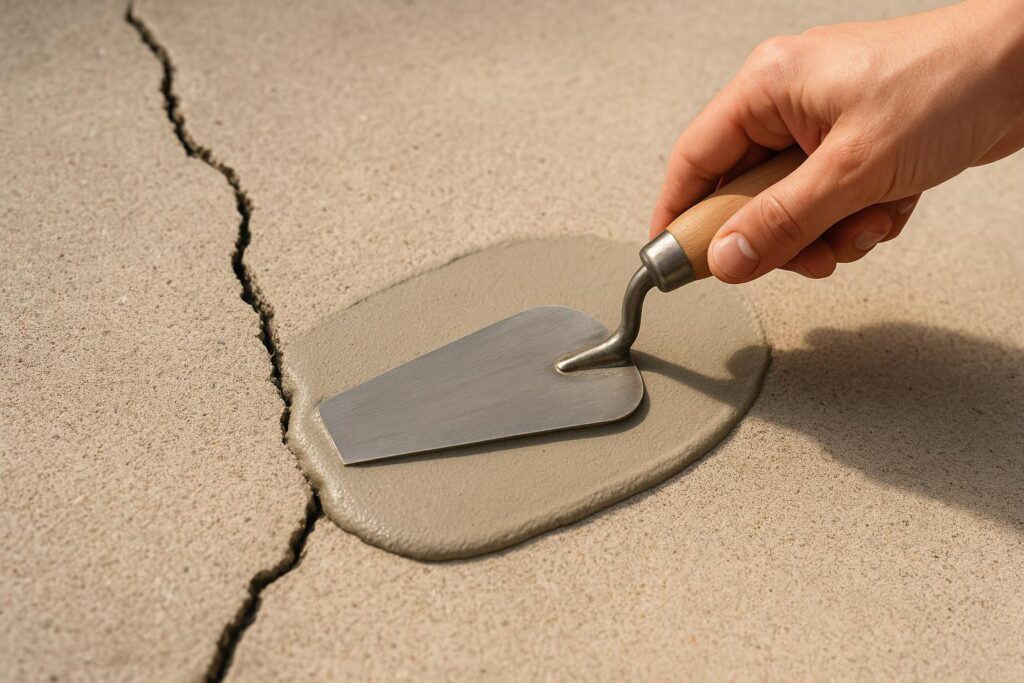
Fixing Concrete Made Easy with the Right Tools
When it comes to maintaining your property, dealing with damaged concrete can feel like a daunting task. Whether it’s a cracked driveway, a worn-out patio, or chipped steps, finding the perfect solution is key to a lasting repair. That’s where a smart resource like our Concrete Repair Material Finder comes in handy. It cuts through the confusion by guiding you to the best product for your specific issue, saving time and money.
Why Choosing the Right Material Matters
Not all concrete fixes are created equal. A hairline crack needs a different approach than a crumbling surface, and outdoor areas demand extra durability compared to indoor spaces. Using the wrong product can lead to failed repairs or even worsen the damage over time. By factoring in details like damage type, area size, and environment, our tool ensures you’re matched with a reliable fix—be it an epoxy for tight gaps or a heavy-duty resurfacer for broader wear.
Get Started on Your Repair Journey
Don’t let concrete problems linger. With the right guidance, you can tackle repairs confidently and keep your surfaces looking solid for years. Try our tailored recommendation system today and see the difference!
FAQs
What’s the difference between epoxy filler and polymer mortar?
Great question! Epoxy filler is a go-to for cracks because it’s super strong and bonds tightly to concrete, sealing out moisture. Polymer mortar, on the other hand, is better for spalling or deeper damage since it’s thicker and can rebuild missing chunks of concrete. Think of epoxy as a glue and polymer mortar as a patch—they each have their sweet spot.
Can I use the same material for indoor and outdoor repairs?
Not always, and here’s why. Outdoor repairs often need weatherproof materials to handle rain, freeze-thaw cycles, and UV exposure. Indoor fixes don’t face those challenges, so a standard material usually works fine. Our tool adjusts for location, so if you’re working outside, we’ll suggest something tougher to stand up to the elements.
How do I know if I need a heavy-duty product?
It mostly comes down to the size of the repair. If you’ve got a large area—say, over 5 square feet—the damage often runs deeper or affects structural integrity, so a heavy-duty option is safer. Smaller spots can usually get by with standard materials. Pick the area size in our tool, and we’ll let you know if you need something beefier.