
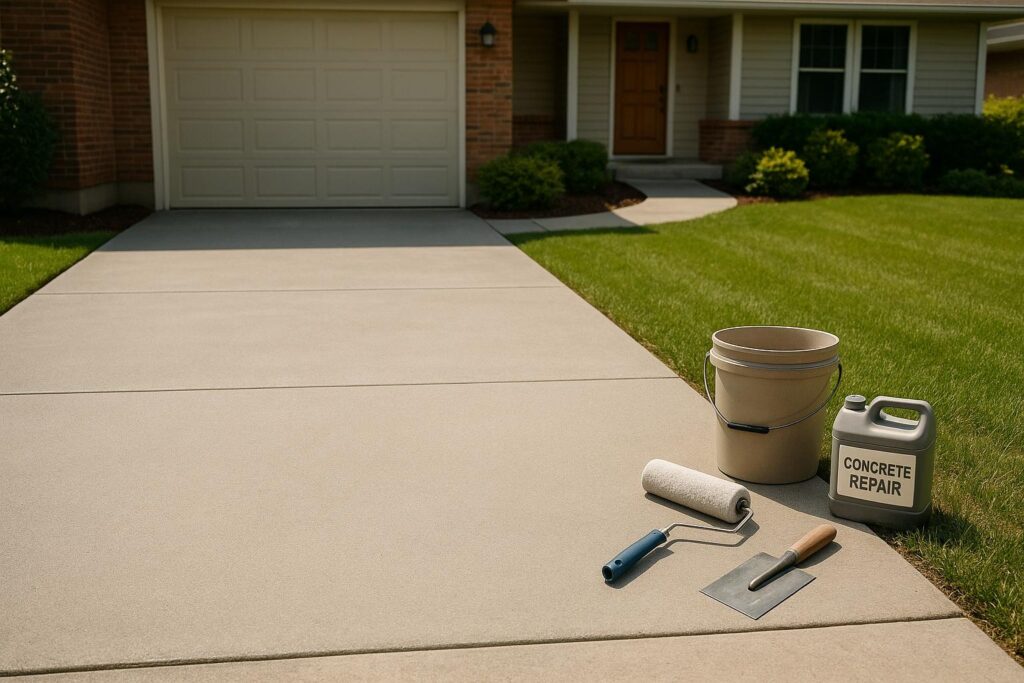
Concrete driveways are an essential feature of many residential and commercial properties. Over time, however, exposure to weather, dirt, and daily wear can leave them looking aged and unappealing. If you’ve ever wondered how to bring your worn-out driveway back to life, this comprehensive guide will help you achieve stunning, long-lasting results. What’s even more exciting? This process isn’t just about aesthetics; it addresses the longevity, functionality, and low maintenance your flooring deserves.
Whether you’re a homeowner looking to upgrade your curb appeal, a facility manager seeking durable solutions, or simply someone who values expert guidance, this article provides a detailed driveway restoration process using the latest tools and innovative products to restore concrete to its former glory.
Why Restore Your Driveway?
Over time, even the best-laid concrete driveways can develop stains, cracks, and discoloration. Issues like concrete leaching (which creates unsightly white spots), dirt buildup, and weather-related wear can make a driveway look older than it is. Beyond appearances, leaving these problems unaddressed can lead to further damage and costly repairs.
Restoring your driveway not only enhances its appearance but also improves safety, protects the surface from further wear, and adds value to your property. The steps outlined here will help you achieve a professional-grade finish without peeling or fading. Best of all, the process is straightforward with the right tools and preparations.
Step-by-Step Guide to Concrete Driveway Restoration
1. Assess the Condition of Your Driveway
Before jumping into the restoration process, inspect your driveway’s condition. Look for:
- White spots or stains: Often caused by concrete leaching.
- Cracks or gouges: Address these before applying any finishing products.
- Dirt and debris: Significant buildup will hinder proper application of concrete coatings.
2. Begin with Thorough Cleaning
A clean surface is essential for restoration. Follow these steps:
Pressure Washing
Use a pressure washer with at least 2,800 PSI (a 3,300 PSI model is ideal) to remove dirt, grime, and buildup. Focus on corners, edges, and areas where the driveway meets other surfaces, such as asphalt or house walls. For tight spots, consider switching to a smaller pressure washer nozzle.
Surface Cleaner for Efficiency
For larger areas, a surface cleaner attachment is a game-changer. Unlike traditional nozzles, a surface cleaner ensures even cleaning and minimizes splashing. Use overlapping strokes and clean in multiple directions for the best results.
Final Rinse
Once you’ve finished pressure washing, do a final rinse with a spray nozzle to remove any leftover debris. Allow the driveway to dry completely before proceeding.
3. Prepare for the Concrete Finish
Proper preparation ensures a seamless application:
Make Repairs
Fill cracks or smooth out gouges using a concrete filler. This step is critical for a uniform finish.
Protect Surrounding Areas
Use painter’s tape and visqueen plastic sheeting to cover nearby surfaces, including walls, retaining structures, and any decorative elements. This prevents overspray or accidental application.
Check the Weather
Ensure you have a clear weather window before starting. Ideal conditions for application include temperatures between 55°F and 110°F. Rain or extreme heat can affect the finish.
4. Mix and Apply the Concrete Coating
Now comes the transformative part of the process:
Mixing the Product
- Combine Part A (liquid adhesive) with water in a 5-gallon bucket.
- Gradually add Part B (concrete mix) while using a paddle mixer to avoid clumps.
- Mix for 5 minutes, let the solution sit for 20 minutes, and then stir again before application.
First Application
Use a clean sprayer to apply the product evenly across the driveway. While spraying, maintain a consistent distance from the surface and move in circular patterns for uniform coverage.
Roll It Out
After spraying, use a roller (preferably an epoxy roller without fibers) to smooth the surface. Apply light pressure when backrolling to eliminate lap lines and create an even finish.
Layer Up
For many older driveways, two to three coats are necessary for a flawless look. Let each layer dry for about an hour before applying the next. Alternate spraying directions (e.g., horizontal for one layer, vertical for the next) to ensure consistent coverage.
5. Final Touch: Apply a Protective Sealer
A concrete sealer adds a layer of protection to your restored driveway, guarding against stains, tire marks, and further wear.
- Apply the sealer using a sprayer or roller.
- Work section by section, overlapping slightly to ensure even application.
- Backroll to distribute the product consistently and prevent pooling.
Allow the sealer to dry for at least 24 hours before driving on the surface. Once completed, you’ll have a driveway that looks brand new and is built to last.
Important Tips and Tricks
- Use PPE: Always wear gloves, eye protection, and a respirator during mixing and application.
- Start Small: If you’re new to this process, practice spraying and rolling in a less visible area until you’re comfortable.
- Check the Surface Type: This restoration method works best on raw, unsealed concrete. Sealed surfaces may require different preparation or products.
- Drying Conditions: Ensure the surface stays dry during all stages of the process. Moisture can affect adhesion and the final finish.
Key Takeaways
- Start with a Clean Surface: Proper pressure washing and debris removal are crucial for a successful restoration.
- Apply Multiple Layers: For an even and durable finish, plan on at least two to three coats of concrete mix.
- Pay Attention to Weather: Avoid applying products in rainy or extremely hot conditions.
- Seal for Longevity: A concrete sealer protects your hard work and ensures your driveway looks great for years to come.
- Preparation is Key: Protect surrounding surfaces with tape and plastic sheeting to prevent messes.
- Use the Right Tools: From a pressure washer to a paddle mixer and sprayer, having the right equipment makes all the difference.
- Follow Temperature Guidelines: Apply products in temperatures between 55°F and 110°F for optimal results.
- Inspect and Repair Beforehand: Cracks and imperfections should be addressed prior to coating for a seamless finish.
The End Result: A Stunning, Like-New Driveway
Restoring your concrete driveway may seem daunting, but with the right approach, it’s a manageable project that delivers professional-grade results. By following these steps, you’ll transform your worn-out driveway into a sleek, durable surface that enhances your property’s appearance and functionality. Whether you’re improving your home’s curb appeal or upgrading a commercial property, this restoration process ensures a long-lasting and impressive finish.
Take the first step toward revitalizing your concrete surfaces today, and enjoy the satisfaction of a project well done!
Source: "Concrete Driveway Made Brand New For CHEAP!" – BYOT, YouTube, Oct 18, 2025 – https://www.youtube.com/watch?v=4H2ZqRV4DLg