
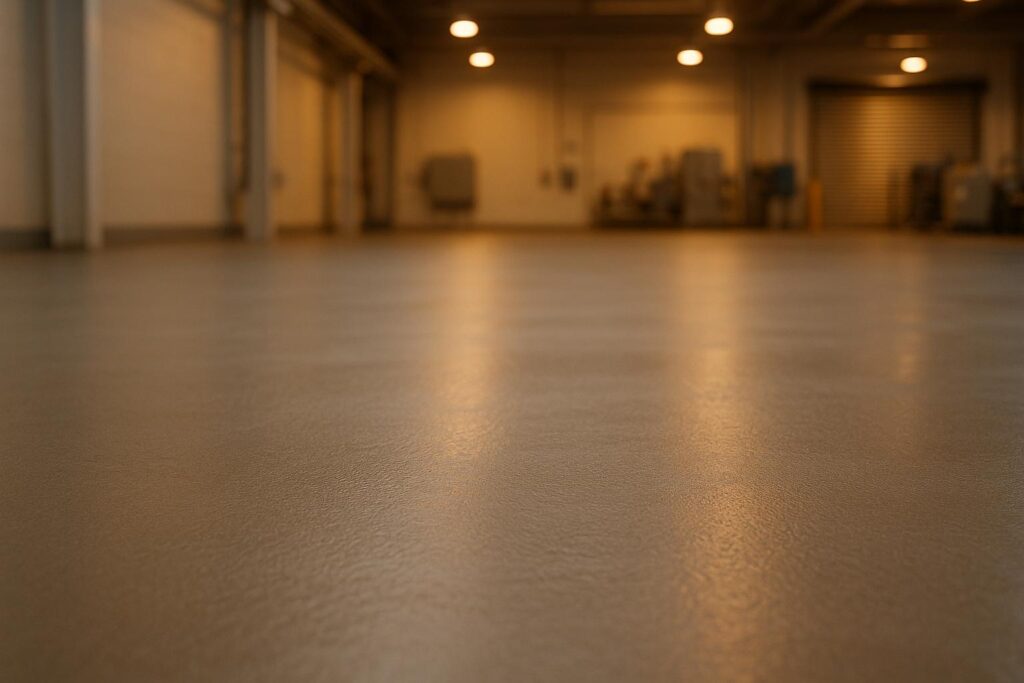
Fire-resistant coatings are essential for industrial floors, offering protection against fire hazards by slowing flame spread, reducing smoke, and maintaining structural integrity under high heat. These coatings are engineered to meet strict safety standards like ASTM E84 and UL94-V0, making them critical for high-risk environments such as chemical plants, manufacturing facilities, and warehouses. Here’s what you need to know:
- How They Work: They use insulation, char formation, and flame suppression to protect floors and reduce fire risks.
- Types:
- Cementitious (SFRMs): Affordable but coarse-textured, ideal for hidden structural elements.
- Intumescent (IFRMs): Smooth finish, expands under heat, suitable for clean rooms and exposed areas.
- Epoxy-Based: Durable, aesthetic, and high-performing for high-traffic industrial floors.
- Standards: Must comply with ASTM E84, ASTM E119, and OSHA codes to ensure fire resistance and safety.
- Selection Tips:
- Match coating type to fire risk and substrate (e.g., concrete, metal).
- Consider environmental factors like temperature and chemical exposure.
- Balance upfront cost with long-term durability and maintenance.
- Installation and Maintenance:
- Proper surface preparation and controlled application conditions are critical.
- Regular inspections and timely repairs ensure long-term performance.
Fire-resistant coatings save lives, reduce liability, and provide cost-effective, durable solutions for industrial facilities. For expert guidance and installation, consult professionals like Atlas Concrete Coatings.
What Is Intumescent Paint- Fire Resistant Paint and When Do You Need It?
How Fire-Resistant Coatings Work
Fire-resistant coatings protect industrial floors by combining chemical and physical processes. Knowing how these processes work helps in choosing the right coating for specific needs.
Fire Protection Mechanisms
Fire-resistant coatings rely on three key mechanisms to defend industrial floors against fire damage. These mechanisms are essential for ensuring safety and performance in fire-prone environments.
- Insulation creates a thermal barrier that helps maintain the substrate’s structural integrity under extreme heat.
- Char formation produces a carbonized layer when exposed to heat, acting as a shield and slowing down heat transfer.
- Flame suppression involves self-extinguishing properties that halt burning once the ignition source is removed.
These coatings are designed to remain stable and adhere firmly, even at temperatures reaching up to 400°F. Unlike standard flooring materials that may degrade and fuel a fire, fire-resistant coatings maintain their chemical stability. They also help control smoke, with smoke density ratings below 450, ensuring better visibility during evacuations.
Next, let’s explore the different types of fire-resistant coatings and how they cater to various industrial requirements.
Types of Fire-Resistant Coatings
Industrial facilities can choose from three main types of fire-resistant coatings, each tailored to specific applications and needs.
Cementitious Spray-Applied Fire-Resistive Materials (SFRMs) are a common choice in commercial construction. Made from materials like gypsum or Portland cement, these coatings can be applied using wet or dry sprays. Modern SFRMs are asbestos-free and often include components like mineral wool, quartz, perlite, or vermiculite for better insulation. To speed up setting and hardening, chemical accelerators such as aluminum sulfate may be added. Due to their coarse texture, SFRMs are typically used in areas where the finish will be hidden, such as behind walls or ceilings.
Intumescent Fire-Resistive Materials (IFRMs) provide a more sophisticated fire protection option. When exposed to heat, these coatings expand into a protective, insulating char that shields the substrate. Available in water-based, solvent-based, and epoxy-based formulations, intumescent coatings are versatile. Water-based options stand out for their smooth finish, low odor, and minimal VOC content, though they require careful moisture management during application. Unlike cementitious coatings, intumescent coatings don’t flake, crack, or create dust, making them ideal for clean rooms, labs, electronics manufacturing, and food production facilities. They also offer better corrosion resistance compared to SFRMs.
Epoxy-Based Fire-Resistant Coatings deliver top-tier protection for industrial floors. Certified to UL94-V0 standards, these coatings provide a tough, durable finish that adheres well to surfaces like concrete, wood, composites, and metal. While standard epoxy flooring has a lower fire resistance rating of about 275°F, fire-rated epoxy coatings significantly enhance this performance. These coatings meet EPA and OSHA fire safety codes, making them suitable for high-safety environments such as hospitals and schools. Available in various colors and finishes – including commercial-grade options like marble or granite – they are VOC-free and odorless. In some high-temperature settings, polyurethane-based systems may even outperform traditional epoxy coatings. Ultimately, the best choice depends on factors like fire duration, environmental conditions, aesthetic preferences, and budget.
Comparison of Fire-Resistant Coating Types:
| Coating Type | Best For | Key Advantage | Main Limitation |
|---|---|---|---|
| Cementitious (SFRM) | Hidden structural elements | Affordable with strong thermal insulation | Rough finish; unsuitable for visible surfaces |
| Intumescent (IFRM) | Clean rooms, labs, and exposed areas | Smooth finish, no dust or flaking | Higher cost; sensitive to moisture during application |
| Epoxy-Based | High-traffic industrial floors needing aesthetics | Durable, wide color range, self-extinguishing | Higher upfront cost |
Fire Safety Standards and Certifications
Before being installed in industrial settings, fire-resistant coatings must undergo thorough testing and meet strict U.S. regulatory standards. Below, we break down the classification systems and building code requirements that ensure these coatings perform as intended.
Fire Rating Classifications
Fire rating classifications set clear benchmarks for how well a coating can resist flames and control smoke production. Coatings are typically categorized into Class A, B, or C ratings, with Class A providing the highest level of fire resistance and Class C the lowest. The ASTM E84 test is the primary standard for evaluating flame spread and smoke development. This test measures how fast flames travel across a coated surface and the amount of smoke generated during combustion. To achieve a Class A rating, a coating must perform exceptionally well in both areas. Specifically:
- Flame Spread Index: This measures how quickly fire spreads across a material. Industrial coatings must meet strict thresholds to keep this index low.
- Smoke Density: To maintain visibility during emergencies, the smoke density rating must typically stay below 450 on standardized scales.
Another critical test is ASTM E648, which evaluates the critical radiant flux – essentially, the amount of radiant heat energy a flooring material can endure before igniting. Coatings must meet a minimum threshold of 0.45 W/cm². ASTM E119, on the other hand, assesses how well a coating withstands prolonged fire exposure, ensuring it retains its protective qualities over time. For the highest level of safety, certifications like UL94-V0 confirm that a coating is self-extinguishing, meaning it stops burning once the ignition source is removed, preventing it from fueling the fire further.
Here’s a quick summary of performance criteria:
| Rating Classification | Flame Spread Index | Smoke Development | Typical Applications |
|---|---|---|---|
| Class A | 0–25 | Below 450 | High-risk industrial facilities, chemical plants |
| Class B | 26–75 | Below 450 | Moderate-risk warehouses, manufacturing floors |
| Class C | 76–200 | Below 450 | Lower-risk storage areas, light industrial spaces |
Next, let’s look at how building codes enforce these standards.
Building Code Requirements
Fire-resistant coatings must meet U.S. building codes, including those outlined by the International Building Code (IBC) and International Residential Code (IRC). These codes establish key performance benchmarks to slow fire progression, giving occupants more time to evacuate and aiding firefighting efforts.
To comply, coatings must adhere to established testing protocols like ASTM E84 and ASTM E119. For intumescent materials, codes require them to exceed specific bond strength standards, ensuring they stay attached to surfaces during a fire. OSHA standards and local fire codes add further requirements, such as the ability to withstand extreme temperatures – ranging from 200°F to 400°F – without degrading, melting, or releasing harmful fumes. This ensures the coating maintains its structural integrity under intense heat.
Fire-rated epoxy flooring options are designed to meet EPA and OSHA fire codes, along with other applicable regulations. Facility managers should confirm that coatings come with proper certifications and compliance documents, such as:
- UL94-V0 certification
- ASTM E84 and ASTM E119 test reports
- EPA and OSHA compliance certificates
- IBC bond strength verification
For facilities focused on sustainability, LEED compliance certification can also confirm that fire safety standards are met while supporting environmentally friendly practices.
To maintain compliance and performance, regular inspections and maintenance are essential. Building inspectors may request updated documentation to confirm that coatings remain effective and meet the latest standards.
Atlas Concrete Coatings ensures its fire-resistant flooring solutions meet these rigorous requirements, providing industrial environments with the protection, durability, and compliance they need. For more details about our advanced floor coatings, visit Atlas Concrete Coatings.
Choosing the Right Fire-Resistant Coating
When selecting a fire-resistant coating, it’s essential to focus on safety while keeping long-term costs in check.
Selection Criteria
Start by evaluating your facility’s fire risk. High-risk environments, such as chemical plants, manufacturing facilities with flammable materials, or warehouses storing combustible goods, require coatings with superior fire resistance. For these settings, UL94-V0 certified coatings are a smart choice .
Another key factor is matching the coating to the substrate – whether it’s concrete, wood, composite, or metal. Proper adhesion is critical, and without the right match or adequate surface preparation, coatings can fail prematurely. For example, TECHNO COATING™ FR requires precise substrate preparation to ensure a strong bond.
Environmental conditions also play a big role. If your facility operates at high temperatures, consider polyurethane-based systems, which can handle heat better than standard epoxy coatings. Traditional epoxy coatings have a fire resistance threshold of around 275°F, making fire-rated epoxy systems a better option for high-risk areas .
Chemical exposure is another consideration. Industrial floors often come into contact with oils, solvents, and cleaning agents. Moisture vapor transmission and substrate porosity are also important. Coatings that absorb moisture can increase corrosion risks, so water-based intumescent coatings may be a better choice in such cases compared to cementitious options .
Lastly, budget wisely. Factor in not just material and installation costs but also long-term maintenance, replacement frequency, and potential downtime. While fire-rated coatings vary widely in price, premium options often provide better value over a 10–15-year span.
Once you’ve considered these factors, you’ll be ready to compare coating types and find the one that fits your needs.
Coating Comparison
Here’s a closer look at some fire-resistant coating options:
- Epoxy-Based Coatings:
Epoxy coatings with UL94-V0 certification are known for their durability, impact resistance, and aesthetic versatility. Fire-rated epoxy flooring comes in various finishes, including standard colors like black, brown, and white, as well as commercial-grade options like marble or granite. These coatings are VOC-free and odorless, making them safer to apply and compliant with LEED standards . - Technology Spotlight – TECHNO COATING™ FR:
This two-component epoxy coating is sold in 15L pre-measured units and features a self-leveling formula for a smooth finish. It can be applied at a thickness of approximately 0.125 inch. - Water-Based Intumescent Coatings:
These coatings are environmentally friendly, offering low VOC and low-odor properties. However, they are sensitive to moisture and humidity, requiring controlled conditions during application. - Cementitious Spray-Applied Fire-Resistive Materials (SFRMs):
Made with materials like gypsum, vermiculite, or mineral fiber, these coatings form thick barriers that slow heat transfer to steel structures. Modern cementitious SFRMs are asbestos-free and may include additives like mineral wool or quartz for better insulation. However, they can absorb moisture, which may lead to corrosion in humid environments .
Here’s a simplified comparison of key fire-resistant coatings:
| Coating Type | Fire Resistance | Heat Tolerance | Ideal For |
|---|---|---|---|
| Fire-Rated Epoxy | High | 200–400°F | High-risk facilities |
| UL94-V0 Epoxy (TECHNO COATING™ FR) | Very High | 200–400°F | HVAC systems, high-traffic areas |
| Polyurethane-Based | High | Elevated temps | High-temperature environments |
| Water-Based Intumescent | Very High | Extreme | Facilities with controlled humidity |
| Cementitious SFRM | Very High | Extreme | Structural steel protection |
Installation is another critical factor. Some coatings dry quickly, minimizing downtime, while others have extended curing periods . Choose a product that aligns with your facility’s needs, as some systems may require specialized equipment or professional installation.
For facilities aiming for sustainability certifications, LEED-compliant fire-resistant coatings are available to support environmentally conscious practices.
Atlas Concrete Coatings specializes in fire-resistant flooring solutions tailored to meet demanding industrial standards. Their expertise ensures the right coating selection, professional installation, and long-term durability. For more guidance, visit Atlas Concrete Coatings.
sbb-itb-4b4bb37
Installation and Maintenance
Getting the installation right and keeping up with regular maintenance are key to ensuring fire-resistant coatings perform as they should throughout their lifespan.
Application Process
The first step is surface preparation, which is absolutely crucial. The substrate – whether it’s concrete, wood, or metal – needs to be completely clean and free of any contaminants that might interfere with bonding. For concrete, techniques like grinding or shot blasting are often used to create a surface that promotes adhesion. The surface must also be dry and free of moisture to allow proper curing. If there are any existing coatings or sealers that don’t work well with the fire-resistant system, they need to be removed. Even the temperature and humidity levels during preparation matter, as extreme conditions can impact both the prep work and the application itself.
The application method depends on the type of fire-resistant coating. Spray-applied fire-resistant materials (SFRMs), which are cementitious-based, are typically applied on-site after steel structures are set up, using specialized spray equipment. Intumescent fire-resistant materials (IFRMs) come in three main types – water-based, solvent-based, and epoxy-based – and each has its own application process. For instance, water-based intumescents are known for their smooth finish and low VOC emissions, but they need to be protected from moisture during application.
Epoxy-based fire-resistant coatings, on the other hand, offer the advantage of quick curing times, which can reduce downtime. However, maintaining controlled environmental conditions during curing – usually between 50°F and 85°F – is critical. Fluctuations in temperature or high humidity could compromise the coating’s performance. Additionally, exposing the coating to foot traffic or moisture before it has fully cured can shorten its lifespan and reduce its effectiveness. Once the application is complete, proper curing and strict safety protocols are essential.
Safety during installation is also a top priority. Advanced epoxy systems that are VOC-free and odorless help create a safer work environment by cutting down on fumes. Proper ventilation is a must, and workers should wear appropriate personal protective equipment, such as respirators, gloves, and eye protection. For spray-applied cementitious materials, respiratory protection is especially important due to airborne particles. Other safety measures include cordoning off the work area, following handling procedures for any chemical additives, and keeping fire extinguishers on hand.
Maintenance and Inspection Schedule
Once the coating is installed, routine inspections are vital to ensure it stays in good condition. High-traffic areas should be inspected quarterly, while low-traffic zones can be checked semi-annually. Facilities exposed to harsh conditions may need more frequent inspections.
During inspections, look for visible signs of wear, such as peeling, cracking, blistering, or separation from the substrate. The coating must remain intact to retain its fire-resistant properties, so any damage should be addressed immediately. For cementitious SFRMs, watch for moisture intrusion or signs of corrosion on the underlying steel. Keeping detailed records of inspections helps track the coating’s condition over time and plan for maintenance or recoating.
In industrial settings with high operating temperatures – ranging from 200°F to 400°F – more frequent inspections may be necessary to catch issues like thermal stress or coating failure early. Routine maintenance, such as cleaning with mild detergents and soft-bristle brushes, can help preserve the coating without causing damage. While intumescent coatings are generally low-maintenance, any chemical spills should be cleaned up promptly to avoid compromising their fire-resistant properties.
It’s also important to keep floors dry and properly drained to prevent degradation of the coating. Documenting all maintenance activities, including cleaning schedules, repairs, and any changes in the coating’s condition, helps ensure compliance and maintain safety records.
Recoating becomes necessary when inspections reveal significant wear, reduced fire resistance, or when the coating reaches the end of its lifespan, which is typically 5 to 10 years depending on environmental conditions and traffic levels. Timely recoating ensures continued fire protection and minimizes risks. Before recoating, assess whether the existing coating can serve as a base or if it needs to be removed entirely. For smaller repairs – covering less than 10–15% of the area – remove the damaged section down to the substrate, clean thoroughly, and apply a repair coating that matches the original system’s specifications. Many modern epoxy systems allow for quick recoating, which helps reduce downtime. This ongoing care is essential for maintaining effective fire protection.
For professional installation and maintenance of fire-resistant industrial flooring systems, Atlas Concrete Coatings offers expert services. They ensure proper application techniques, optimal curing conditions, and long-lasting performance. Learn more at Atlas Concrete Coatings.
Benefits of Fire-Resistant Floor Coatings
Fire-resistant floor coatings offer a layer of protection that safeguards lives, reduces risks, cuts costs, and improves facility performance. These coatings act as a safety net for both people and property in critical situations.
Safety and Liability Protection
The most important role of fire-resistant coatings is to save lives. Acting as a barrier against fire, these coatings slow its spread, buying valuable time for evacuations and emergency response teams to act. In industrial settings, where fire hazards are common, this extra time can prevent minor incidents from escalating into major disasters.
These coatings also help reduce smoke production and maintain structural integrity under extreme heat. Less smoke means better visibility, which is crucial for safe evacuations. Additionally, coatings with self-extinguishing properties prevent floors from becoming a fuel source, limiting the fire’s ability to spread and cause widespread damage.
From a legal and financial perspective, fire-resistant coatings are equally important. Facilities without proper fire safety measures risk non-compliance with OSHA regulations and local fire codes, which can lead to fines or penalties. Insurance claims may also be denied, or coverage reduced, if fire protection measures are deemed inadequate. Worse still, facilities may face lawsuits if a fire results in injuries or fatalities due to non-compliance.
By using coatings that meet ASTM E84 and ASTM E119 standards and comply with OSHA and local codes, facilities demonstrate a commitment to safety and proactive risk management. This compliance not only reduces legal exposure but also improves relations with insurance providers, often resulting in lower premiums and better coverage terms. Additionally, meeting EPA and OSHA fire safety standards reinforces the facility’s overall safety and operational reliability.
Cost Efficiency and Durability
Fire-resistant coatings aren’t just about safety – they also make financial sense. Their durability and long-term performance translate into cost savings across multiple areas.
For example, coatings certified with UL94-V0 are built to last, even in high-traffic industrial environments. They can withstand heavy machinery, frequent foot traffic, and impacts from dropped tools or equipment. Their resilience under extreme temperatures prevents thermal breakdown, reducing the need for frequent replacements. These coatings are designed to handle gradual temperature changes and thermal shocks without cracking or peeling, ensuring long-term integrity.
Intumescent coatings offer additional benefits, such as resistance to chemicals, abrasions, rust, and corrosion. Their low-maintenance, easy-to-clean surfaces minimize downtime for repairs, helping facilities maintain smooth operations. Strong adhesion properties further eliminate issues like delamination, which can lead to costly repairs.
Business continuity is another critical advantage. In the event of a fire, a facility with fire-resistant flooring is less likely to experience prolonged shutdowns. By containing damage and slowing the fire’s progression, these coatings help ensure operations can resume quickly, protecting both revenue and profitability.
Fire-resistant coatings also reduce the strain on fire suppression systems, working in tandem with them to optimize overall fire safety infrastructure. This synergy can lower the operational costs tied to maintaining and monitoring fire suppression equipment.
Modern fire-resistant coatings often align with sustainability goals. Many are VOC-free, odorless, and meet LEED standards for environmentally friendly construction. Water-based options with low-VOC and low-odor formulations allow industrial facilities to prioritize safety while also demonstrating environmental responsibility. These features can help facilities earn green building certifications and associated incentives, boosting their reputation in the process.
Aesthetic options are another bonus. Available in a range of colors and finishes – including commercial-grade looks like marble and granite – these coatings allow facilities to maintain a professional appearance without compromising safety. An attractive, well-maintained floor can also positively influence worker morale and satisfaction.
For most industrial operations, the combination of insurance savings, reduced maintenance costs, and extended floor life results in a positive return on investment within three to five years. Over time, these coatings continue to deliver financial benefits by minimizing repairs and operational disruptions.
Atlas Concrete Coatings specializes in fire-resistant industrial flooring systems that provide these safety and financial advantages. Their expert installation ensures top-tier performance and lasting protection for your facility. Visit Atlas Concrete Coatings to learn more about safeguarding your industrial space.
Conclusion
Investing in fire-resistant coatings is a smart step toward enhancing industrial floor safety. These coatings act as passive barriers, helping to resist ignition, slow the spread of flames, and minimize smoke production.
The foundation of effective fire protection lies in choosing the right coating. Look for options that include flame-retardant additives and inorganic fillers, ensuring they meet critical ASTM and UL certifications. Such coatings not only improve safety but can also help reduce liability and insurance costs .
As highlighted earlier, regular maintenance and thorough record-keeping are essential. Consistent upkeep ensures the coating remains effective, particularly in environments where temperatures can reach between 200°F and 400°F. Maintain detailed records of certifications, installations, and maintenance schedules to comply with regulations and insurance requirements.
Avoid common pitfalls like cutting costs, improper surface preparation, or neglecting maintenance. It’s also crucial to match the coating type to the operational environment. For instance, standard epoxy, which can melt at 275°F, is unsuitable for high-temperature areas where a polyurethane system would perform better . Engage qualified specialists to ensure proper assessments and installations.
Fire-resistant floor coatings work best as part of a broader fire safety plan. Pair them with detection systems, suppression equipment, clearly marked emergency exits, and regular staff training. Together, these measures can slow fire progression, giving occupants critical time to evacuate and emergency responders time to act.
For expert installation and durable protection, Atlas Concrete Coatings offers fire-resistant industrial flooring that meets strict safety standards. Learn more by visiting Atlas Concrete Coatings.
FAQs
What should I consider when selecting a fire-resistant coating for my industrial floors?
When choosing a fire-resistant coating for your industrial floors, it’s crucial to weigh factors like the specific fire hazards in your facility, the composition of your flooring, and the level of durability required. Fire-resistant coatings play a dual role: they improve safety and shield your floors from heat and potential damage, which helps them last longer.
You’ll also want to look for coatings that can handle the unique needs of your space while standing up to heavy use. Options like those from Atlas Concrete Coatings are built to endure the tough conditions of industrial settings, offering reliable, long-term protection.
How do fire-resistant coatings ensure compliance with safety standards and regulations?
Fire-resistant coatings are crucial for ensuring safety in industrial settings, as they provide an additional layer of protection for floors. These coatings are specially formulated to endure extreme temperatures, minimizing the risk of fire-related damage and helping facilities comply with stringent safety regulations.
Choosing fire-resistant coatings not only enhances workplace safety but also safeguards valuable assets. Moreover, it reflects a company’s dedication to meeting regulatory requirements – an essential step in maintaining smooth operations and avoiding costly fines or penalties.
How can I maintain fire-resistant coatings on industrial floors to ensure long-term performance?
To keep fire-resistant coatings on industrial floors functioning effectively, regular maintenance is a must. Start with routine cleaning – sweep or vacuum to remove debris, and use a mild, non-abrasive cleaner when mopping to avoid buildup that might weaken the coating. Steer clear of harsh chemicals or abrasive tools, as they can harm the surface.
Make it a habit to inspect the floor for signs of wear, cracks, or damage. If you spot any issues, address them promptly with professional repairs to stop further deterioration. For floors subjected to heavy machinery or constant foot traffic, it’s wise to schedule periodic touch-ups or reapplications to preserve their protective qualities.
These straightforward steps can help you prolong the life and reliability of your fire-resistant floor coating, keeping your industrial space both safe and durable.